
Reviewed · SCHINDLER'S FACTORY TOURS
Krakow: Jewish Quarter Kazimierz & Schindler’s Factory & Ghetto Guided Tour
Kazimierz’s old synagogues and courtyards, Schindler’s factory museum, and the former ghetto fit into one guided route that helps connect Kraków’s Jewish life before the war with the city’s experience under Nazi occupation. The factory exhibition focuses on ordinary residents as well as Oskar Schindler, making this more than a tour of one famous story.
I like two things in particular: the walk links places that are often visited separately, and skip-the-line admission gets you into a popular museum with an expert guide to explain its exhibits. The main consideration is stamina: this is a roughly five-hour outing, much of it on foot or standing, and the museum can feel crowded.
- Three connected chapters: Walk through Kazimierz, the former ghetto and Schindler’s Factory, tracing a shift from community life to wartime persecution.
- A museum visit with context: Spend about 90 minutes in the exhibition on Kraków under Nazi occupation, with entry included and no need to wait in the ticket line.
- A sobering memorial: See the chairs at Ghetto Heroes Square, the remains of the ghetto wall and the pharmacy associated with Tadeusz Pankiewicz.
- Guides bring the history close: Guides such as Barbara, Magdalena and Krzysztof have been praised for clear explanations and strong storytelling.
- Plan for a long walk: The full experience is about five hours, and one account estimates around 10,000 steps. Bring water and food for a break.
- Check your booking details: The Kazimierz guided portion may be an optional upgrade. For the museum, provide each participant’s full name and bring a passport or ID.
Three parts that make sense together
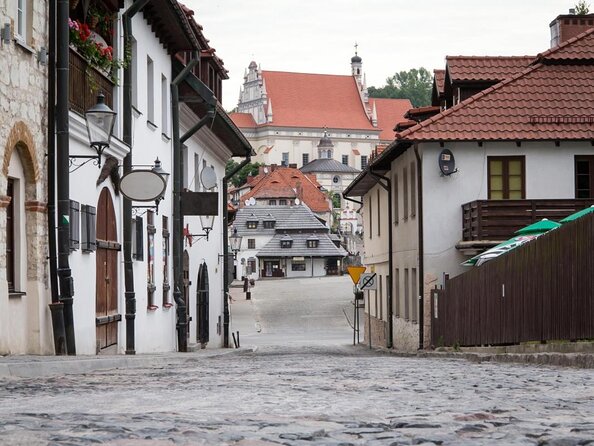
This tour follows a natural arc through Kraków’s Jewish history. It starts in Kazimierz, once the center of Jewish life in the city, continues to Schindler’s former enamel factory, and ends in the district where the Nazi occupation forced Jewish residents into a ghetto. Seeing these places in sequence helps you understand how the city changed, rather than treating each stop as an isolated sight.
The route is also a substantial commitment. Expect about five hours, including roughly two hours in Kazimierz, 90 minutes inside the museum and an hour around the former ghetto. The schedule is approximate, and a short break may fall between sections. Set aside most of a day, wear comfortable shoes and bring water and something to eat.
The tour is offered in English, and groups can include up to 25 people. That size is worth noting: while a guide can make streets and exhibits much easier to understand, a larger group inside the museum may make it harder to see or hear everything. If you prefer a quieter museum visit, consider whether you would rather explore it separately.
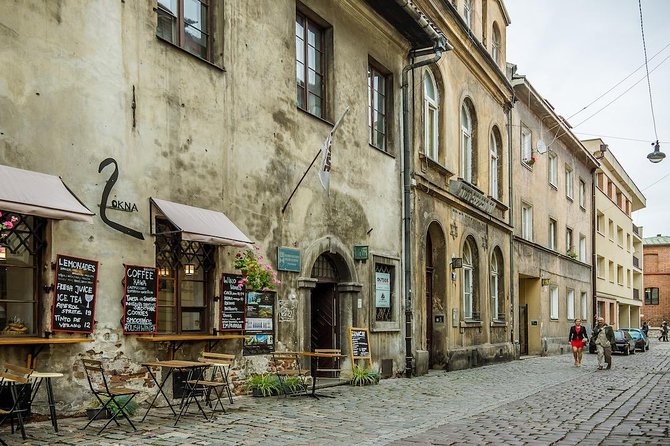
Kazimierz: streets shaped by Jewish life
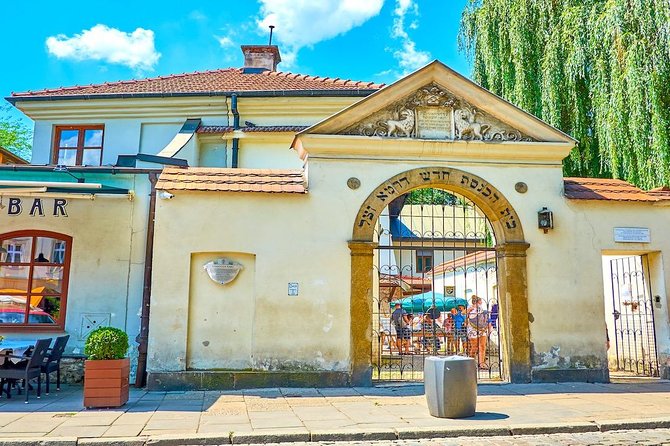
The tour begins at Szeroka 24 in Kazimierz, Kraków’s historic Jewish district. For centuries, this was a center of Jewish faith, learning and community. The route takes you through cobbled streets lined with synagogues, prayer houses and old townhouses, with your guide explaining the lives and traditions connected to them.
This first section matters because it gives the later wartime stops a human setting. Before the history turns to occupation and persecution, you get a sense of the neighborhood as a place where families lived, worshipped, worked and met. Stories about rabbis and merchants, along with details about marketplaces and courtyards, help bring the district’s past into focus.
The listed time for Kazimierz is about two hours. That is enough to cover a good deal of ground, but it is still a guided overview rather than a full study of every synagogue or street. If you want a closer look at the district, check whether your chosen booking includes the optional guided Kazimierz upgrade. The tour details distinguish that upgrade, so do not assume every ticket includes the same level of guided coverage.
Guides are a major part of what makes this walk worthwhile. Barbara, Magdalena, Helena, Krzysztof and other guides have been singled out for clear delivery, strong historical explanations and stories that hold attention. Names and assignments can vary, of course, but the tour is designed around a local guide who can connect individual sites with Kraków’s wider past.
More Schindler's Factory visits around Krakow:
- Krakow: Oskar Schindler’s Factory Entry Ticket & Guided Tour
★ 4.2 · 3,793 reviews - Krakow: Schindler’s Factory Tour with Entrance Ticket
★ 4.5 · 3,182 reviews - Krakow: Schindler’s Factory Skip-the-Line Ticket
★ 4.4 · 3,105 reviews
Schindler’s Factory: more than one man’s story
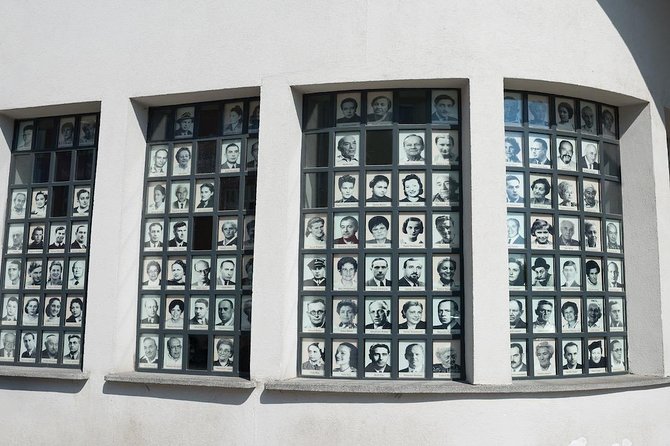
The next major stop is Oskar Schindler’s Enamel Factory, where the exhibition, Kraków under Nazi Occupation 1939–1945, traces how the war altered the city and the lives of its residents. Admission is included, and the tour offers entry without waiting in the ticket line, a useful advantage at one of Kraków’s most visited museums.
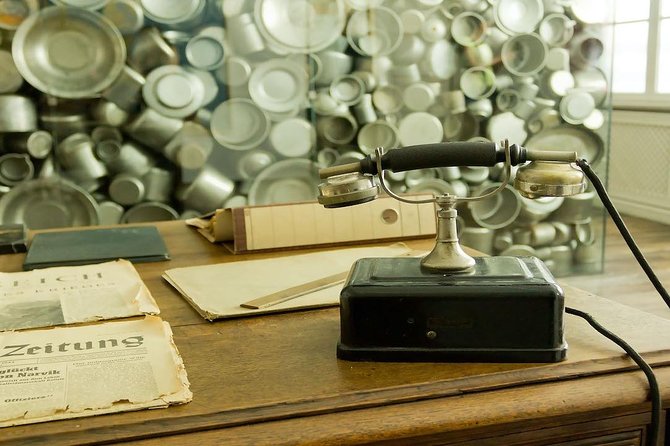
The museum is housed in the former factory building, but it is not a preserved factory floor filled with original machinery. Instead, it is a museum of wartime Kraków. Its focus extends beyond Schindler and the people he saved to the experiences of Jewish and non-Jewish residents under German occupation. If you arrive expecting a simple biography or a tour of working factory equipment, adjust those expectations: the galleries tell a broader story of a city under pressure.
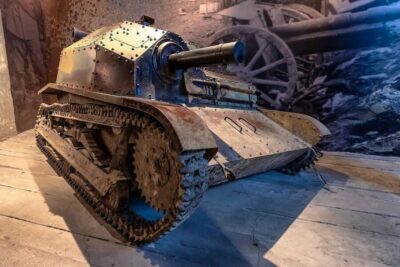
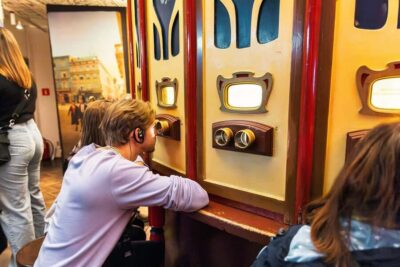
Inside, you will encounter photographs, original objects and reconstructed settings. The exhibition moves through narrow, dimly lit rooms intended to echo the sense of confinement and uncertainty that marked wartime life. That design can make the history feel immediate, though it may also feel intense. The subject is painful, and the atmosphere is not light entertainment.
Allow about 90 minutes for the museum portion. A guide can point out details and explain how the exhibition’s design supports its story, things you might miss if you moved through the rooms on your own. The trade-off is that the museum can be crowded. One guide-led group was larger inside the factory than during the outdoor walks, and some participants struggled to see what the guide was showing. The maximum group size for the tour is 25, so ask yourself how comfortable you are in a busy museum setting.
The skip-the-line entry is valuable, but it does not mean the galleries will be empty. You are still sharing the museum with other visitors, and the pace is partly shaped by the group and the space available. If you want more time to read every label, a separate museum visit may suit you better. If you want the exhibition interpreted as part of a wider route, the guided visit offers a clear advantage.
The former ghetto: memory in public space
After the museum, the tour continues to the former Kraków Ghetto, including Plac Bohaterów Getta, also known as Ghetto Heroes Square. The empty chairs of the memorial represent lives lost, and the square’s role in mass deportations gives the place a weight that is hard to convey through dates alone.
Nearby, you can see remnants of the original ghetto wall. They are a stark reminder that this was not simply a line on a map: the ghetto was imposed on residents and confined them within a specific area. Your guide places the surviving fragments and surrounding streets within the history of the occupation.
The route also passes the Under the Eagle Pharmacy. Pharmacist Tadeusz Pankiewicz risked his life to provide medicine, shelter and support to people in the ghetto. The pharmacy’s story adds a personal dimension to the larger account of persecution, and shows how acts of help could carry serious danger.
This final section is listed at about an hour and ends at Apteka pod Orłem, Plac Bohaterów Getta 18. The walk ends not with a grand finale but with places that ask for quiet attention. You may leave with more questions than answers, which is appropriate for a route dealing with such difficult history.
What five hours on foot really means
The tour is walk-heavy, with some standing during explanations. One account estimates about 10,000 steps, and another points out that the day can involve more standing than expected. The pace has suited people who needed to walk slowly, but that does not make the route effortless. A moderate level of physical fitness is recommended.
There is no need to bring a meal for a formal lunch stop, but the break may be short. Bring water and a snack or packed lunch so you are not trying to find food while the group is moving on. Wear comfortable footwear, and dress for the forecast: the tour runs in rain or shine, and weather can affect how pleasant the outdoor sections feel.
Arrive 10 minutes before the start at Szeroka 24. The group cannot be joined after it has departed, and late arrivals are not refunded. At the museum, the ticket is personalized: provide the full names of everyone in your party when booking and bring a passport or ID for entry. Without the required identification, entry may be denied.
From January 1, 2026, the museum’s schedule may affect the tour times. You can choose a preferred time, but the exact time is not guaranteed. If your plans depend on a precise schedule, leave some flexibility around the tour.
More Jewish heritage tours around Krakow:
- Krakow: Schindler’s Factory & Ghetto Guided Tour
★ 4.7 · 1,694 reviews - Krakow: Jewish Quarter and Former Ghetto Tour
★ 4.9 · 1,441 reviews - Krakow: Bike Tour of Old Town, Jewish Quarter and the Ghetto
★ 4.9 · 1,155 reviews - Krakow: Kazimierz Jewish Quarter Walking Tour
★ 4.8 · 571 reviews
Is $83.27 good value?
At $83.27 per person, this is not a bargain-priced walking tour. But the price covers a roughly five-hour guided route and admission to the Schindler museum, with a ticket-line shortcut. You are paying for a guide to connect three distinct parts of the city’s history, not just for a walk from one address to another.
The value depends on how you like to visit museums and historic neighborhoods. If you prefer context, ask questions and want someone to connect Kazimierz, the occupation exhibition and the former ghetto, the guided format can make the day more coherent. Guides have been praised for clear English, well-paced storytelling and thoughtful answers, with Barbara, Magdalena and Krzysztof among the names mentioned. Individual guides vary, but the route relies heavily on their ability to explain complex history in a way you can follow.
If you are a careful museum reader who prefers to move at your own pace, the group visit may feel rushed, especially when the galleries are busy. You could instead visit the museum separately and spend longer with its displays. That choice means giving up the convenience of the linked route and the guide’s interpretation across all three stops.
Who should book this tour?
I would consider this tour if you want a structured introduction to Jewish Kraków and the city’s World War II history, and you are willing to spend most of a day walking and listening. It suits visitors who value a guide’s stories and explanations, especially if this is their first time visiting these sites.
It may be less suitable if you have limited time, find long periods on your feet difficult, or want an unhurried visit to every museum room. The exhibition can be crowded, and the group format sets the pace. If you book, check whether the Kazimierz guided-tour option is included, bring the right ID, and plan a snack and water break.
FAQ
How long does the tour take?
The tour lasts about five hours. The three main sections are listed as roughly two hours in Kazimierz, 90 minutes at Schindler’s Factory and an hour around the former ghetto. Timing is approximate and may change with museum scheduling.
Where does the tour start and end?
It starts at Szeroka 24 in Kazimierz and ends at Apteka pod Orłem, Plac Bohaterów Getta 18, near Ghetto Heroes Square.
Is entry to Schindler’s Factory included?
Yes. Admission to the museum is included, and the tour provides entry without waiting in the ticket line.
Do I need to bring identification?
Yes. The museum uses personalized tickets. Provide the full names of all participants when booking and bring a passport or ID for entry.
Is the Kazimierz walking tour included in every booking?
A guided tour of Kazimierz is offered as an optional upgrade. Check the option you select when booking so you know whether your ticket includes it.
What language is the tour in?
This tour is offered in English. Group tours operate in one language, selected when booking.
How much walking should I expect?
Plan for a substantial amount of walking and standing over about five hours. One account estimates roughly 10,000 steps, and a moderate level of physical fitness is advised.
What should I bring?
Wear suitable footwear and clothing for the weather, since the tour runs in rain or shine. Bring water and a snack or packed lunch, as the break may be short.
How large can the group be?
The tour has a maximum of 25 participants. The museum can feel busy, and a larger group inside may make it harder to see or hear the guide at times.
Newly listed around Krakow
- Private Krakow to or from Airport Transfer★ 5.0 · 17 reviews
- Private Airport Transfer from/to Krakow Balice Airport★ 5.0 · 124 reviews
- Private Full-Day Zakopane and Thermal Baths Tour from Krakow★ 5.0 · 27 reviews
- Krakow: Polish Aviation Museum – Skip the Line Ticket★ 4.5 · 13 reviews
- Private Guided Walking Tour in Krakow Wine Bars★ 5.0 · 16 reviews
- Pierogi Cooking Class: Mastering the Art of Polish Dumplings★ 5.0 · 129 reviews
- Polish Countryside and Tyniec Abbey Bike Tour from Krakow★ 5.0 · 37 reviews
- Krakow Jewish District and Ghetto Guided Tour in a Small Group★ 5.0 · 12 reviews
Schindler's Factory Tours, compared.
Oskar Schindler’s Factory Entry Ticket & Guided Tour
Read our review →
Schindler’s Factory Tour with Entrance Ticket
Read our review →
Schindler’s Factory Ticket with Guided Tour Option
Read our review →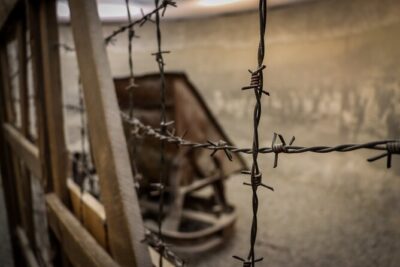
Krakow Schindler’s Factory Museum Guided Tour in English
Read our review →Browse the lists this tour appears in