
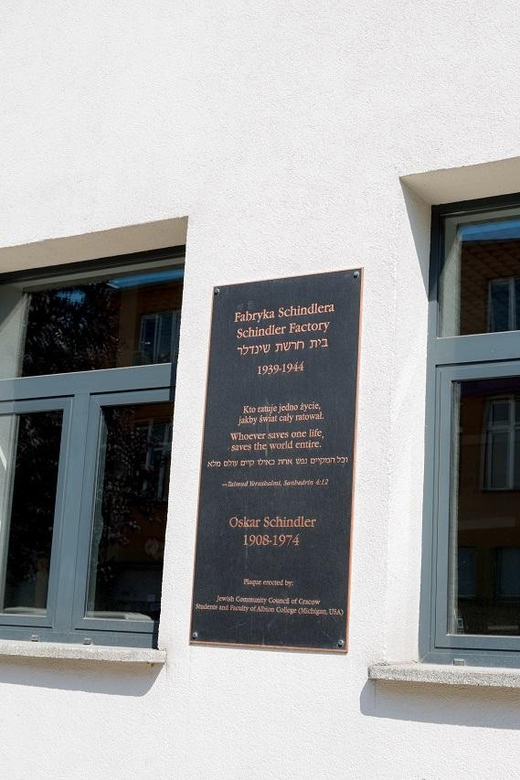
Reviewed · SCHINDLER'S FACTORY TOURS
Kraków: Schindler’s Factory & Jewish Ghetto Guided Tour
Schindler’s Factory is not just a museum about one man. Its exhibition traces how Nazi occupation changed daily life across Kraków, then the walking tour takes you to places where that history happened: the ghetto walls, Ghetto Heroes Square and the pharmacy that offered help to residents.
I like that the tour links the factory’s story to the wider fate of Kraków’s Jewish community, rather than treating Schindler as the whole story. I also like the shift from museum rooms to real streets and memorial sites, which gives you a clearer sense of how the history connects to the city.
One consideration: the museum’s narrow corridors can make it hard to see and hear the guide from the back of a large group. Group size is not specified, and some groups may exceed 25, so arrive early and try to stay near the guide.
- The museum covers wartime Kraków, not only Schindler: The exhibition follows the city’s experience under Nazi occupation from 1939 to 1945.
- Schindler’s factory has no original machinery on display: The building is now a museum, with historical objects, photographs and reconstructed settings.
- The former ghetto walk adds essential context: See surviving wall sections, Ghetto Heroes Square and the Chair Memorial.
- The pharmacy story brings personal aid into focus: Learn about Tadeusz Pankiewicz and the staff who helped ghetto residents.
- Three hours includes a museum visit and outdoor walk: Wear suitable shoes and clothing, since the tour runs in all weather.
- The $58 price includes admission and a guide: Food, drinks and hotel transfers are not included.
Inside Schindler’s Factory, a museum about a city at war
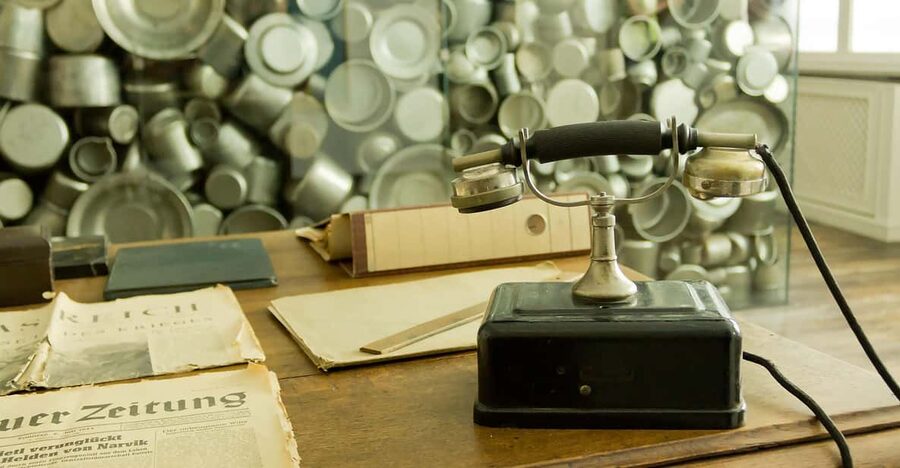
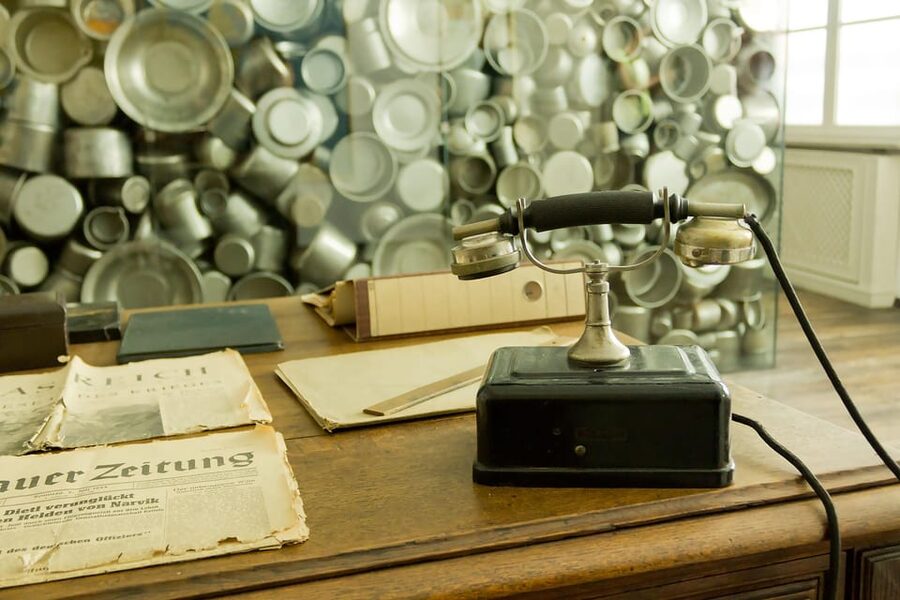
The tour begins at the main entrance to Schindler’s Factory Museum, where you meet a licensed guide holding an excursions.city sign. From there, the group enters the exhibition Kraków under Nazi Occupation 1939-1945. This is the most substantial part of the experience, and it gives you a city-wide account of wartime life rather than a simple biography of Oskar Schindler.
That distinction matters. The museum is housed in the factory associated with Schindler, but its focus is the transformation of Kraków and the experiences of Jewish and non-Jewish residents under Nazi rule. Schindler’s actions sit within that wider story: his factory offered refuge to more than a thousand Jewish workers, while the exhibition also shows the persecution and destruction faced by the city’s Jewish community.
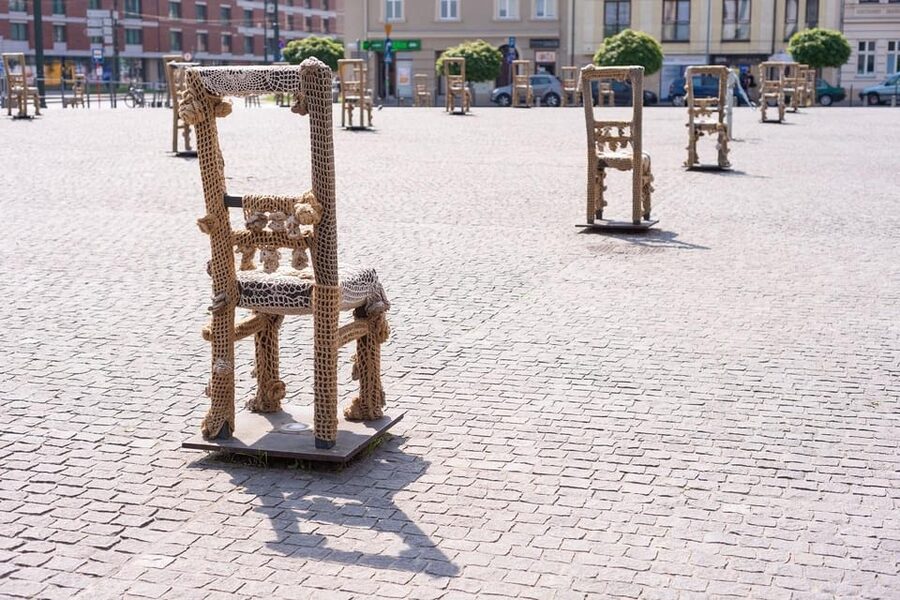
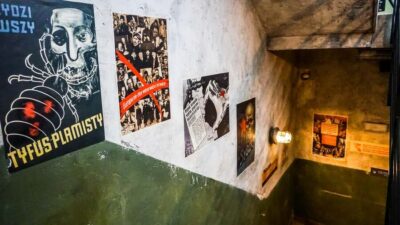
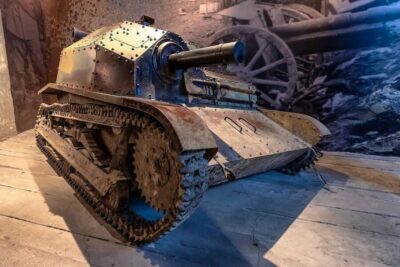
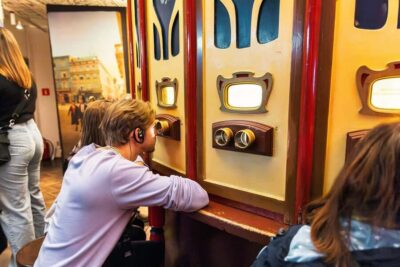
You’ll encounter original artifacts and photographs alongside reconstructed scenes. The rooms are often narrow and dim, with a deliberately close, pressurized feel. That can make the history more immediate, but it also has a practical cost: there is less space to move around, and the person standing beside the guide will have an easier view than someone at the back.
A guide helps connect the material as you go. The exhibition covers many people and events, and a clear account can make the difference between looking at displays and understanding how occupation altered everyday life. The tour is offered in English, French, German, Italian and Spanish. No individual guide names are provided in advance, so you should choose your preferred language when checking available times.
Schindler’s story in its proper context
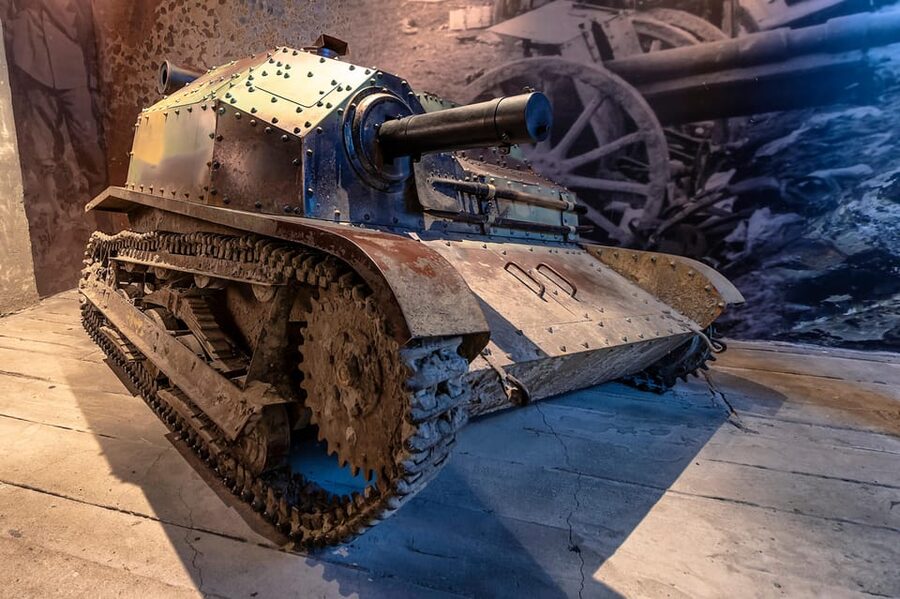
The factory’s name naturally draws attention to Schindler, but it is worth setting your expectations before you enter. This is not a museum centered on original factory equipment or a room-by-room account of Schindler’s life. The building once housed his enamel factory, but it is now a museum and does not contain the factory’s original machinery.
Instead, the exhibition uses the former workplace as a starting point for a much broader account. You learn how Schindler’s factory became a place of refuge for over a thousand Jewish workers, while also seeing the larger system of persecution around them. That context helps keep the story from becoming a lone-hero tale detached from the people who lived through the occupation.
One visitor who rated the tour highly found Schindler and the factory somewhat underrepresented compared with the exhibition’s account of Kraków under the Third Reich. That is a useful expectation to carry in: if your main interest is machinery, factory operations or a detailed biography of Schindler, this may not be the visit you have in mind. If you want to understand the city’s wartime experience and where Schindler’s actions fit into it, the broader focus is a strength.
More Schindler's Factory visits around Krakow:
- Krakow: Oskar Schindler’s Factory Entry Ticket & Guided Tour
★ 4.2 · 3,793 reviews - Krakow: Schindler’s Factory Tour with Entrance Ticket
★ 4.5 · 3,182 reviews - Krakow: Schindler’s Factory Skip-the-Line Ticket
★ 4.4 · 3,105 reviews
Narrow rooms call for a little strategy
The museum’s design is part of its impact, but it can also shape how much you take in. Corridors are narrow, some rooms are dim, and groups may have to gather close to the guide. In one case, a group of more than 25 made it difficult for people farther away to see the displays being explained. Group size is not given as a standard, so there is no guarantee of a smaller group.
Arrive ten minutes before the start and, once inside, stay close enough to see the guide’s reference points. This is a simple but worthwhile tactic, especially if you are short or want to catch details in the displays. The skip-the-line admission saves you from waiting in the museum’s ticket queue, but it does not mean the museum will be quiet or uncrowded inside.
The guided format suits visitors who want an organized account of the exhibition. You can ask questions and hear the guide’s explanations as you move through the rooms, rather than trying to piece together the story alone. On the other hand, the group’s pace and position may limit how long you can linger over a particular object or photograph.
From the museum to the former ghetto
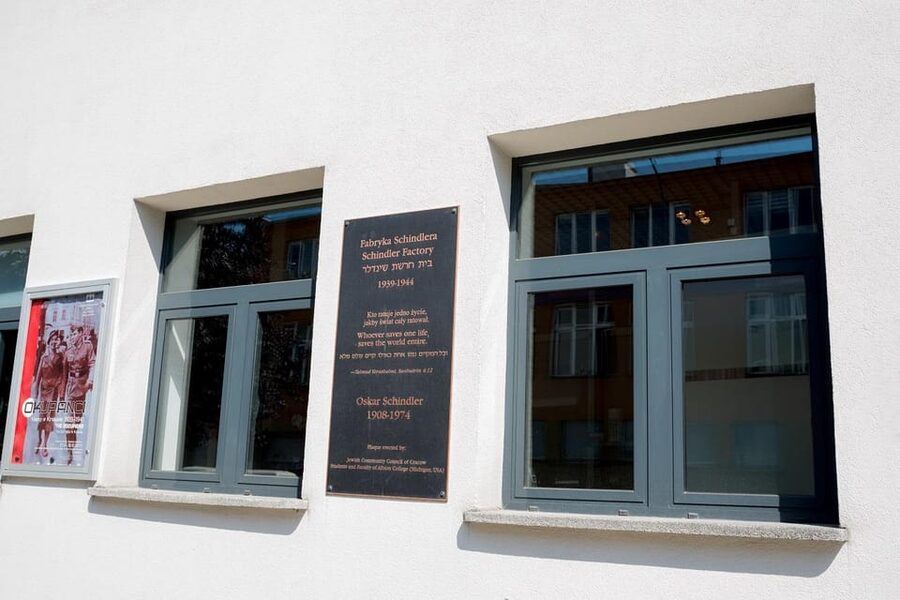
After the museum, the tour moves outdoors to the former Kraków Ghetto. The change of setting is important: the exhibition gives you the wider frame, while the walk brings you to places where confinement and deportation shaped the city’s streets.
The first stop is the remains of the ghetto walls. These fragments are a stark physical reminder that the ghetto was enclosed and separated from the rest of Kraków. They are not a grand monument or a full reconstruction, but that is part of their force. You are looking at what remains of a boundary built to control the lives of the people on the other side.
Your guide can put the wall into the larger account of the ghetto and its residents. The walk is not only a sequence of memorial stops; it helps connect the city’s present-day streets with the events described inside the museum. Since the tour continues outdoors, comfortable shoes and weather-appropriate clothing make a difference. It goes ahead in rain or shine.
Ghetto Heroes Square and the Chair Memorial
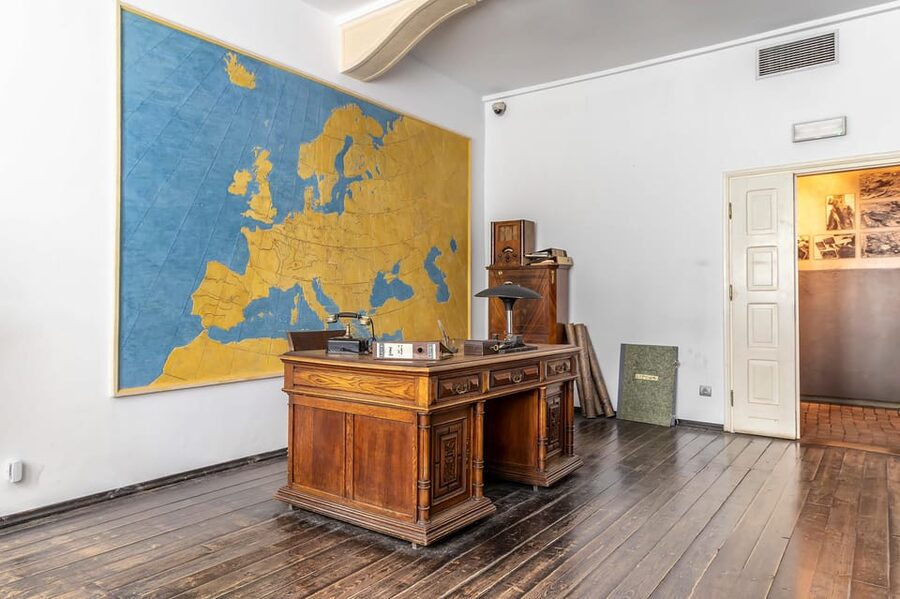
The walk continues to Ghetto Heroes Square, described as the heart of the ghetto. Deportations to extermination camps took place here. Today, the square’s Chair Memorial gives the space a solemn focus: each chair represents a life lost.
The chairs make the memorial easy to understand at a glance, but the meaning is difficult to reduce to a quick photograph. Take a moment to look at the square as a place with a history, not just a stop on a route. Your guide’s account can help explain why this location matters in the story of Kraków’s Jewish community.
This stop is outdoors and open to the weather, so it may feel very different depending on the day. A dry, mild visit makes it easier to pause and listen; in rain or cold, you’ll want proper layers and footwear. The tour still proceeds in poor weather, so check the forecast rather than assuming the walk will be postponed.
More Jewish heritage tours around Krakow:
- Krakow: Schindler’s Factory & Ghetto Guided Tour
★ 4.7 · 1,694 reviews - Krakow: Jewish Quarter and Former Ghetto Tour
★ 4.9 · 1,441 reviews - Krakow: Bike Tour of Old Town, Jewish Quarter and the Ghetto
★ 4.9 · 1,155 reviews - Krakow: Kazimierz Jewish Quarter Walking Tour
★ 4.8 · 571 reviews
Under the Eagle Pharmacy and the value of small acts
Across from the square stands Under the Eagle Pharmacy. The tour explains the role of Tadeusz Pankiewicz and his staff, who helped ghetto residents by preserving access to medicine and offering hope during an extremely difficult time. Their story shifts the focus from systems of persecution to the practical courage of people who chose to assist their neighbors.
The pharmacy’s place across the square makes it a natural final point on the walk. The supplied details promise an account of the pharmacy and its role, but do not specify that the tour includes entry inside. Think of this as a guided stop to understand the site and its history, rather than a guaranteed interior visit.
I find this part of the route valuable because it gives the larger history a human scale. Schindler’s factory and Pankiewicz’s pharmacy were different places with different roles, but both stories show how individual decisions mattered within a much larger crisis. The tour does not present these acts as a substitute for the suffering around them; it places them within that reality.
What $58 covers, and who gets good value
At $58 per person, the price includes three hours with a licensed guide, skip-the-line admission to Schindler’s Factory and the walking tour of the former ghetto. That is a fair value if you want a structured visit to both the museum and the outdoor memorial sites, particularly because the guide links the two parts instead of leaving you to make the connections alone.
You are not paying for a private tour, hotel transport, food or drinks. The meeting point is in front of the museum’s main entrance, so you need to make your own way there. Allow time to arrive at least ten minutes early. If the group has already left, latecomers cannot join and tickets are not refunded.
The tour is best suited to visitors who want a guided introduction to wartime Kraków and are comfortable with a serious subject. It also makes sense if you have limited time and want the factory museum and former ghetto sites handled in one outing. If you prefer to study museum displays at your own pace, or want a small group guaranteed, check the group-size details before booking, since no standard maximum is given.
The experience is offered in five languages, but available start times vary. From January 1, 2026, museum scheduling may affect the exact start time, even if you select a preferred time. Personalized tickets also require the names of all participants during booking from that date, and missing names may prevent entry. If you are booking for a group, have everyone’s names ready.
Is this the right Kraków tour for you?
Book this tour if you want more than a visit to a famous factory building. Its strength is the link between the occupation-era museum and the real locations of the former ghetto, with guides who can explain the events and people behind each stop. The most compelling parts are the wider view of wartime Kraków, the Chair Memorial and the account of Pankiewicz’s pharmacy.
Think twice if your priority is original factory machinery, a detailed technical history of enamel production or an in-depth Schindler biography. The museum’s scope is broader, and the building contains no original machinery. Also consider the narrow galleries and the possibility of a group above 25.
For a focused, three-hour introduction to Kraków’s wartime history, this is a strong choice. Bring comfortable shoes, arrive early, and stay close to the guide inside the museum. Those small steps can help you get more from a serious and worthwhile visit.
FAQ
How long is the tour?
The tour lasts three hours and includes Schindler’s Factory Museum and a walking tour of the former Kraków Ghetto.
What is included in the $58 price?
The price includes a licensed guide, skip-the-line admission to Schindler’s Factory and the ghetto walking tour. Food, drinks and hotel pickup and drop-off are not included.
Which languages are available?
The tour is offered in English, French, German, Italian and Spanish. Check availability for your preferred language and time.
Where is the meeting point?
Meet your guide in front of the main entrance to Schindler’s Factory Museum. Look for the excursions.city sign and arrive ten minutes before the tour starts.
Does the factory museum display original machinery?
No. The building once housed Schindler’s factory, but it is now a museum without the factory’s original machinery.
Does the tour run in bad weather?
Yes. The tour goes ahead in all weather, rain or shine. Check the forecast and bring suitable clothing and footwear for the outdoor walk.
Newly listed around Krakow
- Private Krakow to or from Airport Transfer★ 5.0 · 17 reviews
- Private Airport Transfer from/to Krakow Balice Airport★ 5.0 · 124 reviews
- Private Full-Day Zakopane and Thermal Baths Tour from Krakow★ 5.0 · 27 reviews
- Krakow: Polish Aviation Museum – Skip the Line Ticket★ 4.5 · 13 reviews
- Private Guided Walking Tour in Krakow Wine Bars★ 5.0 · 16 reviews
- Pierogi Cooking Class: Mastering the Art of Polish Dumplings★ 5.0 · 129 reviews
- Polish Countryside and Tyniec Abbey Bike Tour from Krakow★ 5.0 · 37 reviews
- Krakow Jewish District and Ghetto Guided Tour in a Small Group★ 5.0 · 12 reviews
Schindler's Factory Tours, compared.
Oskar Schindler’s Factory Entry Ticket & Guided Tour
Read our review →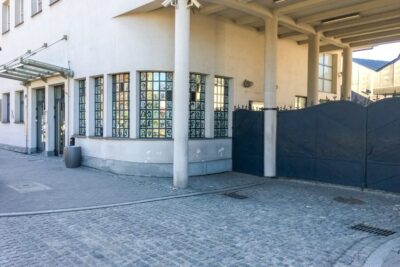
Schindler’s Factory Tour with Entrance Ticket
Read our review →
Schindler’s Factory Ticket with Guided Tour Option
Read our review →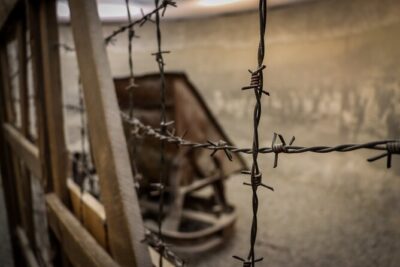
Krakow Schindler’s Factory Museum Guided Tour in English
Read our review →Browse the lists this tour appears in