
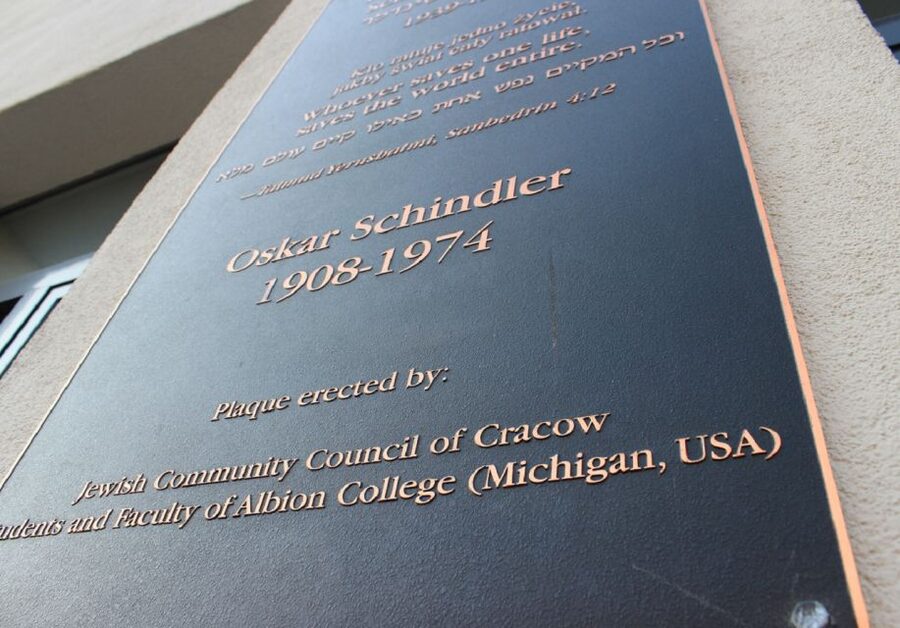
Reviewed · SCHINDLER'S FACTORY TOURS
Krakow: Oskar Schindler’s Factory Entry and Guided Tour
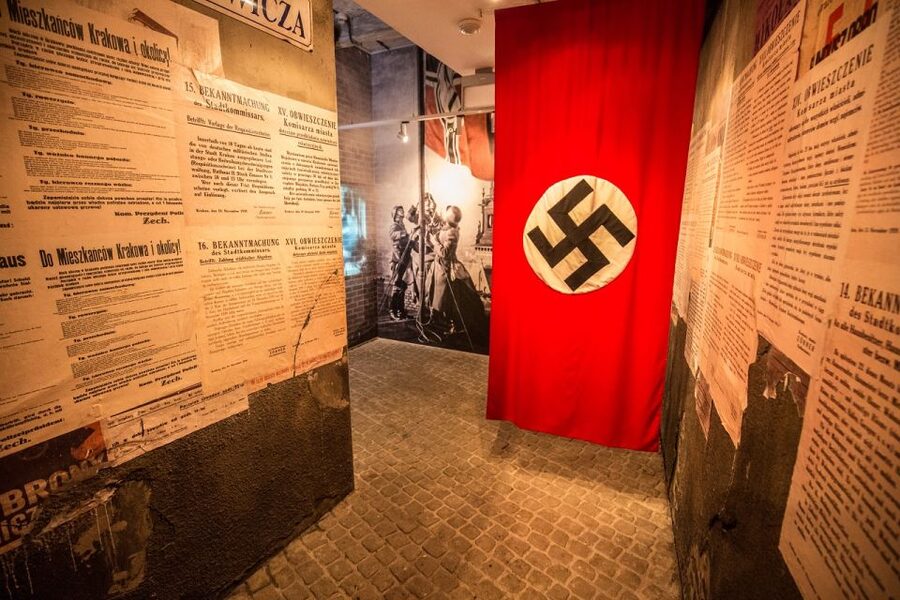
Oskar Schindler’s former enamel factory tells a story much broader than the one made famous by Schindler’s List. Inside, a carefully staged museum follows Krakow through the Nazi occupation, using documentary photographs, eyewitness accounts, films, and recreated spaces to make a painful chapter of the city’s past feel close and specific.
I like two things in particular: the tour puts everyday life in Krakow at the center, and it includes striking details such as Schindler’s preserved office and the Survivor’s Ark, assembled from enamel pots. One caution: the museum’s passages can feel tight when groups gather, so a larger group may make it harder to hear and see every display.
Key points to know
- The focus is Krakow, not just Schindler: The exhibition traces the city’s experience under Nazi occupation from 1939 to 1945.
- The visit uses more than written panels: Expect photographs, eyewitness accounts, documentary films, and multimedia presentations.
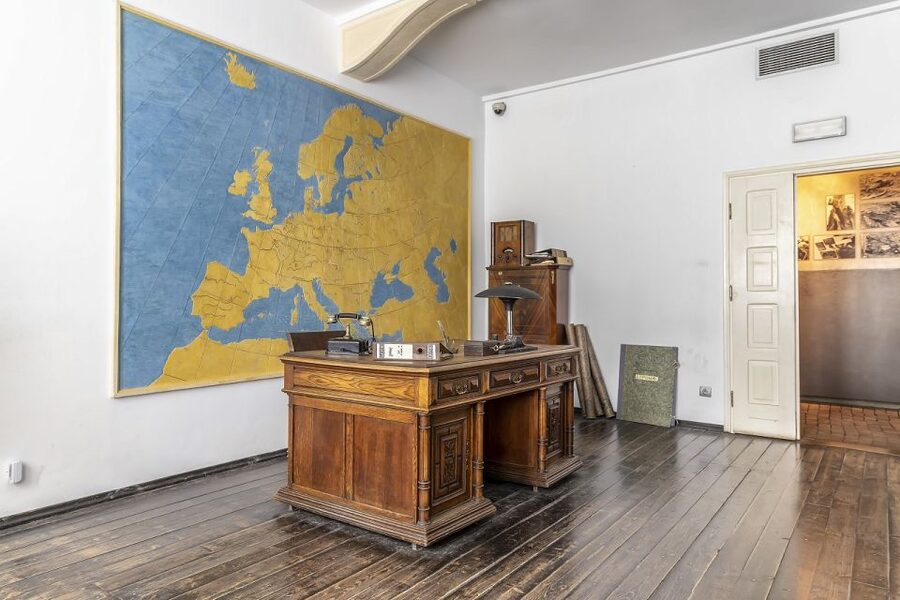
- Schindler’s office is preserved inside the factory: The room offers a direct link to the factory’s wartime history.
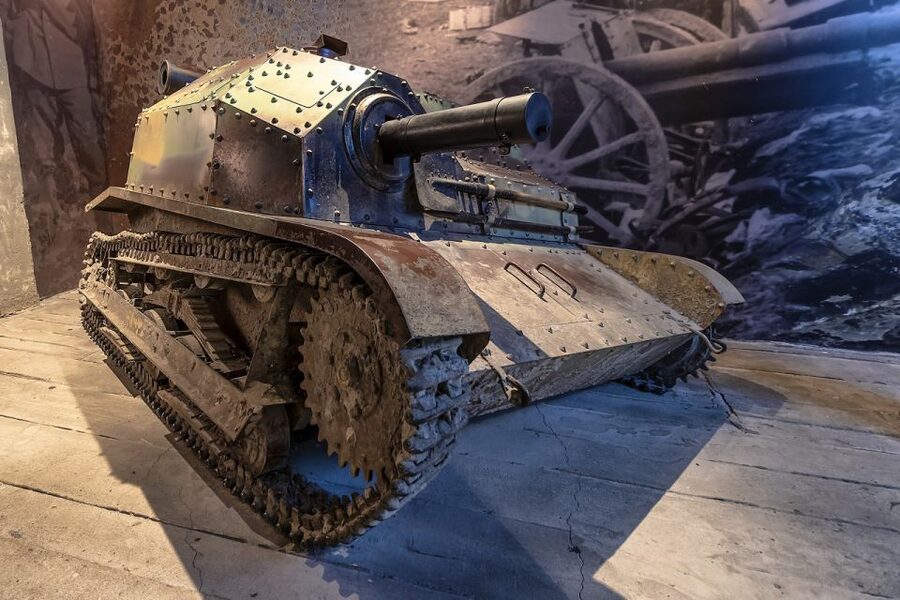
- The displays include vivid recreations: You may board a tram, see a typical Jewish apartment, and pass through a sculptural Hall of Choices.
- A guide leads the 90-minute visit: Tours are offered in English, French, German, Italian, Spanish, and Polish.
- The group setting matters: Narrow exhibition routes may be difficult when a large group stops to listen.
A factory tour with Krakow at its center
At Lipowa 4, you meet your guide at the front entrance of the museum. The tour lasts about an hour and a half and returns to the same meeting point. Admission is included, and the ticket line is skipped, leaving more of that limited time for the museum itself.
The factory is closely linked with Oskar Schindler, the German industrialist whose wartime actions became widely known through Steven Spielberg’s Schindler’s List. But the exhibition does not treat the site as a shrine to one man. Its subject is the city and its people: Polish residents, Jewish residents, and the Nazi occupiers who violently broke into Krakow’s long history of Polish-Jewish relations.
That broader view is important. Schindler’s story is dramatic, but it cannot by itself explain what occupation meant across a whole city. Here, the factory becomes a setting for looking at daily life, persecution, choices, and the changes imposed on Krakow between 1939 and 1945.
A guide can help connect the rooms and objects to that larger story. You are not simply walking through an old industrial building or reading labels in sequence. The tour is designed to give you a narrative thread through a museum that uses varied displays and staged environments.
More Schindler's Factory visits around Krakow:
- Krakow: Oskar Schindler’s Factory Entry Ticket & Guided Tour
★ 4.2 · 3,793 reviews - Krakow: Schindler’s Factory Tour with Entrance Ticket
★ 4.5 · 3,182 reviews - Krakow: Schindler’s Factory Skip-the-Line Ticket
★ 4.4 · 3,105 reviews
Schindler’s office and the Survivor’s Ark
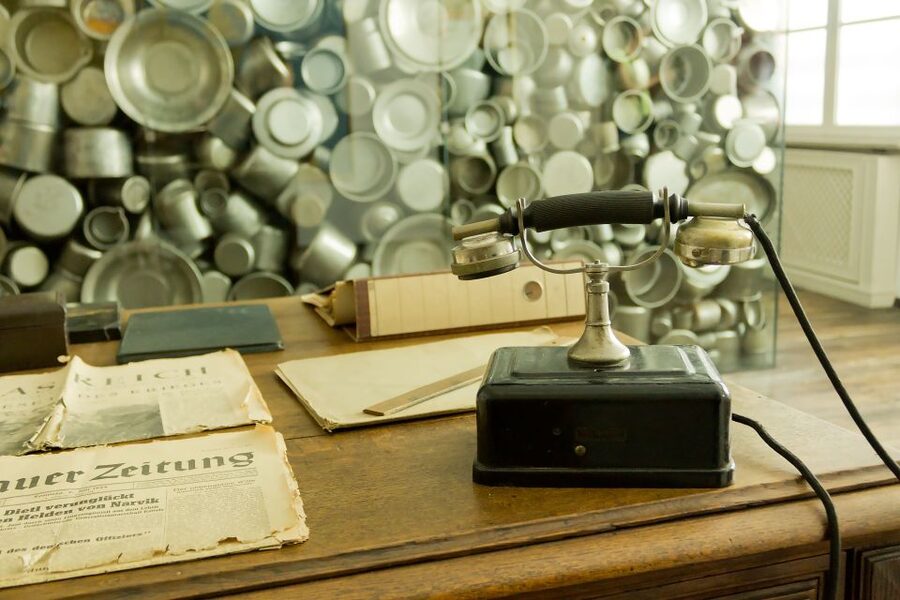
One of the most direct connections to the factory’s past is Schindler’s preserved office in the building’s administrative section. It gives the visit a tangible point of reference: this was a working factory, not only the backdrop for a later film.
Another memorable feature is the Survivor’s Ark, made from thousands of enamel pots similar to those produced at the factory. The scale of the installation gives an ordinary manufactured object a different weight. Pots are practical household items, yet here they point back to the factory’s output and to the human story attached to the site.
These features are worth seeing, but the museum’s value is not limited to its most recognizable rooms. If you arrive mainly for Schindler, leave room in your attention for the city-wide story. The exhibition looks at how occupation affected both Polish and Jewish residents, while also showing the presence and role of the Nazi occupiers.
The material includes documentary photographs, eyewitness accounts, film documentaries, and multimedia presentations. That mix can help when a subject is difficult to grasp through text alone. Images and personal accounts can put human detail beside the broad political timeline, though the emotional force of the exhibits may make this a demanding visit.
A recreated city, tram, and Jewish apartment
The museum shifts between documentary evidence and theatrical recreation. You wander through a recreated stretch of Krakow’s historical city space, rather than following only a conventional line of display cases. The change in setting can help you picture the city as a lived place, not an abstract map or a list of dates.
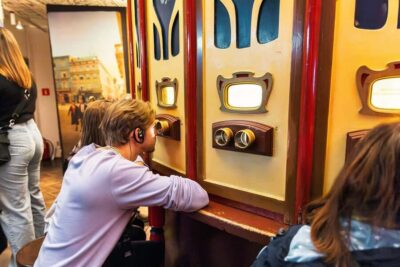
A tram is part of the exhibition. You board it and watch a documentary portraying everyday city life. It is a useful pause in the flow of rooms, and it draws attention back to ordinary routines that continued under occupation, even as those routines were altered by violence and control.
You also visit a typical Jewish apartment. This domestic setting brings the story down to the scale of a home, where broad historical events take on personal meaning. It is one of the exhibition’s more intimate spaces, and a place where it is worth slowing down rather than treating the tour as a quick checklist.
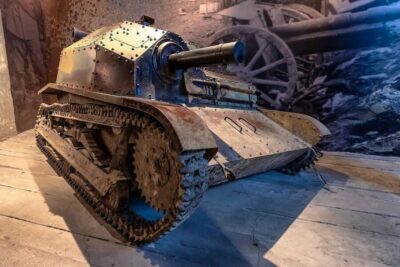
The displays also include artifacts from the Plaszow camp. The supplied tour details do not specify which objects you will see, so it is best to think of this as one part of the museum’s account of persecution, rather than expecting a particular item or a separate camp visit. The tour takes place at the factory museum.
The Hall of Choices and the museum’s emotional weight
The Hall of Choices is a sculptural installation about the ethical dilemmas people faced during the war. It shifts the focus from what happened to the hard decisions people confronted. That is a difficult subject to reduce to a simple answer, and the installation gives it a dedicated place in the visit.
The exhibition’s emotional tone is serious throughout. Photographs, eyewitness accounts, films, and recreated settings can make the history immediate, but they also ask for attention and time. If you are visiting with children or anyone who prefers a lighter museum experience, consider whether a full hour and a half focused on occupation and wartime choices will suit them.
The guide-led format helps organize a lot of material into a manageable visit. Still, the tour is not a substitute for lingering at every display. One person on a guided visit wished there had been more time afterward to look at the cases. That is a useful point to keep in mind: a 90-minute tour can introduce the museum, but you may want to return to specific exhibits at your own pace if the visit allows.
More guided departures around Krakow:
- From Krakow: Auschwitz-Birkenau Guided Tour & Hotel Pickup
★ 4.5 · 33,358 reviews - From Krakow: Auschwitz-Birkenau Guided Tour & Hotel Pickup
★ 4.5 · 29,340 reviews - Krakow: Auschwitz Guided Tour with Optional Hotel Pickup
★ 4.5 · 15,280 reviews - Krakow: Auschwitz-Birkenau Guided Tour with Pickup & Lunch
★ 4.5 · 9,800 reviews
Group size can shape what you see and hear
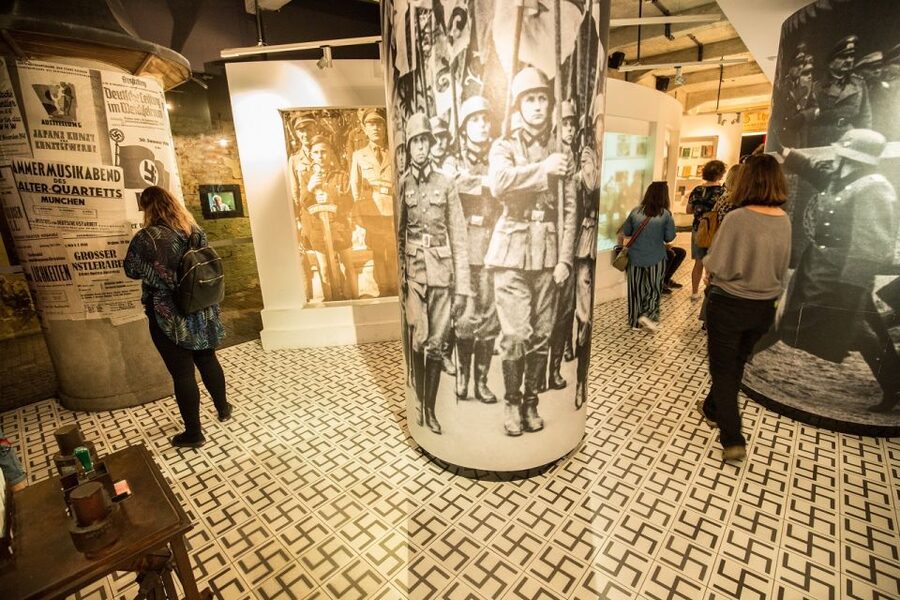
The main practical drawback is crowding within the exhibition. One visitor found that a large group and narrow passageways made it hard to get close enough to follow a French-language guide’s explanations. The guide was described as very friendly, but a warm manner cannot solve a cramped room when people are standing too far away to hear.
Group size is not specified, so you cannot assume that your tour will be small. If you have a choice of available starting times, consider selecting one that suits your schedule and be ready to stay near the guide as the group moves through the rooms. If you have trouble hearing, speak up early rather than waiting until the group has moved on.
This concern does not cancel out the benefit of a guided visit. A professional guide can connect the material and clarify context, particularly in an exhibition with different formats and a wide subject. But the quality of that experience depends in part on how easily you can see and hear in each room.
The skip-the-line entry is helpful, but it does not mean the museum will be empty. It saves time at the ticket line; the exhibition itself can still be busy. For the best chance of following the commentary, keep close to the guide and use any spare time to revisit displays that caught your attention.
Is $45 a fair price for 90 minutes?
At $45 per person, this is not a low-cost museum stop. The price includes entrance and a professional guide, and the tour lasts 1.5 hours. The most useful question is whether you want an organized introduction or would rather explore the exhibition independently.
If you value having someone guide you through the historical setting, the price pays for more than entry. The museum covers a lot of ground, from everyday life and the city’s Polish-Jewish relations to the occupation and the ethical choices of the period. A guide can help keep those threads connected and make the short visit easier to follow.
If you prefer reading every label, studying each case, and moving at your own speed, the guided format may feel brisk. The reported wish for extra time with the displays captures the trade-off: a set-length tour gives you structure, but it may not leave room to examine everything at leisure. You might choose the guided visit for an overview, then plan additional museum time if your schedule permits.
The activity has a 4.7 out of 5 rating from 30 reviews. That is a positive overall score, though the small number of ratings and the noted crowding issue are reasons to keep expectations measured. The guide’s friendliness is a plus; the physical space and group size can still affect how much you take in.
Who should book this tour?
I’d choose this tour if you want a focused introduction to Krakow during the Nazi occupation and appreciate having a guide connect the museum’s different elements. It should suit visitors with an interest in World War II history, Schindler’s factory, or the relationship between Polish and Jewish communities in Krakow.
It is also a practical choice if you want admission arranged and prefer a set route through the main themes. The six language options make it available to a wide range of visitors, though your chosen language and starting time depend on availability.
Think twice if you want a quiet, unhurried visit or if narrow rooms and groups make it hard for you to concentrate. The tour covers meaningful ground in 90 minutes, but the format is guided and the route may feel crowded. If you book, treat it as an informed introduction, not necessarily a chance to inspect every display at length.
My recommendation: Book if you want context and a clear path through a complex museum. Go in ready to stay close to the guide, and make time afterward for any exhibits you want to study more carefully.
FAQ
How long is the tour?
The guided tour lasts 1.5 hours.
Where does the tour start?
Meet the guide at the front entrance of the museum at Lipowa 4. The guide will be holding an excursions.city sign.
Does the tour include museum admission?
Yes. Entrance fees and a professional guide are included.
Does the tour skip the ticket line?
Yes. The activity includes skip-the-line entry.
What languages are available?
Live guides are available in English, French, German, Italian, Spanish, and Polish. Starting times and language availability should be checked when booking.
What will I see inside the museum?
The experience includes Schindler’s preserved office, the Survivor’s Ark, recreated city spaces, a tram documentary, a typical Jewish apartment, artifacts from the Plaszow camp, and the Hall of Choices.
How much does the tour cost?
The stated price is $45 per person.
Can I cancel for a refund?
Yes. You can cancel up to 24 hours in advance for a full refund. The activity also offers a reserve-now, pay-later option.
Newly listed around Krakow
- Private Krakow to or from Airport Transfer★ 5.0 · 17 reviews
- Private Airport Transfer from/to Krakow Balice Airport★ 5.0 · 124 reviews
- Private Full-Day Zakopane and Thermal Baths Tour from Krakow★ 5.0 · 27 reviews
- Krakow: Polish Aviation Museum – Skip the Line Ticket★ 4.5 · 13 reviews
- Private Guided Walking Tour in Krakow Wine Bars★ 5.0 · 16 reviews
- Pierogi Cooking Class: Mastering the Art of Polish Dumplings★ 5.0 · 129 reviews
- Polish Countryside and Tyniec Abbey Bike Tour from Krakow★ 5.0 · 37 reviews
- Krakow Jewish District and Ghetto Guided Tour in a Small Group★ 5.0 · 12 reviews
Schindler's Factory Tours, compared.
Oskar Schindler’s Factory Entry Ticket & Guided Tour
Read our review →
Schindler’s Factory Tour with Entrance Ticket
Read our review →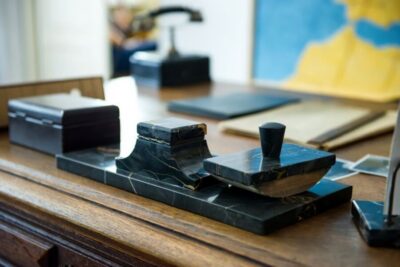
Schindler’s Factory Ticket with Guided Tour Option
Read our review →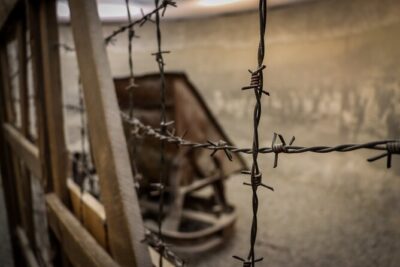
Krakow Schindler’s Factory Museum Guided Tour in English
Read our review →Browse the lists this tour appears in