
Reviewed · KRAKOW WALKING TOURS
Krakow: Plaszow Concentration Camp Walking Tour
Plaszow is a former concentration camp where much of the story is no longer obvious from the site itself. A guide helps you make sense of what remains, from the camp’s memorials to the nearby quarry, and explains how the place connects to the deportation of Krakow’s Jews and the story of Oskar Schindler.
I like two things in particular: the guide supplies the context the site needs, and the visit links the camp’s history to the Liban Quarry replica built for Schindler’s List. The main consideration is that the tour is outdoors, so the weather can shape your comfort during the two-hour walk.
- The camp’s timeline: Learn how Plaszow began as a forced labor camp in 1940 and became a concentration camp in 1941.
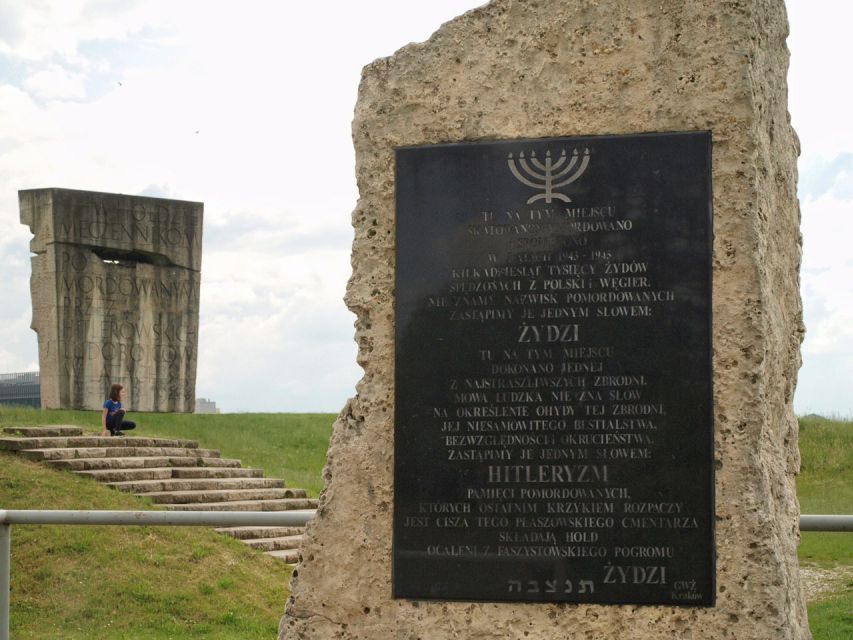
- Memorial stops: Pause at memorials dedicated to the camp’s victims.
- Work and daily life: Hear about forced labor at the quarry and military factories, and what camp life involved.
- Schindler’s story: Discuss Oskar Schindler and the camp’s portrayal in the 1993 film.
- A nearby film location: Visit the Liban Quarry, about a hundred meters from the former camp, where a camp replica was built for the movie.
Why Plaszow needs a guide
At Plaszow, the challenge is not simply learning dates. Much of the former camp site is difficult to interpret on your own, and the remains do not necessarily explain what happened there. A guide points out the different parts of the site and connects them to the wider history of Nazi rule in the area.
That help matters. Without context, you could walk through a place tied to forced labor, deportation, and mass suffering without grasping how its sections fit together. The tour’s value is less about seeing a long list of preserved buildings and more about understanding the ground beneath your feet.
A licensed guide leads the walk and explains the camp’s development and its place in Krakow’s wartime history. Guides have included Krysztof, Phil, Anna, and Barbara. The particular guide available on your date may differ, but the strongest reason to book is the guided interpretation itself.
From forced labor camp to concentration camp
The tour begins with Plaszow’s beginnings in 1940 as a forced labor camp. It was converted into a concentration camp in 1941, a change that helps frame the history you hear as you move through the site.
Your guide sets this story against the wider impact of Nazi rule in the area. The deportation of Jews from the Krakow ghetto began in 1942, and the tour explains how those events relate to the camp. That local focus gives the visit a clearer shape than a general account of the war: you hear about what happened in Krakow and how the camp fitted into it.
The chronology is important, but so is the way the guide links it to the physical place. You will learn about the different parts of the camp and the work carried out there. The tour is designed to help you picture the camp’s function and the conditions of camp life, not just memorize a sequence of dates.
More walking tours around Krakow:
- Old Town Krakow & Wawel Castle Walking Tour
★ 5.0 · 1,508 reviews - Creepy Krakow: 2-Hour City Walking Tour
★ 4.7 · 1,131 reviews - Krakow: The Old Town Walking Tour
★ 4.8 · 794 reviews
Quarry labor and military factories
Plaszow was a place of intensive labor, and the tour focuses on work at the quarry and in military factories. These details make the history more concrete. Forced labor was not an abstract policy: it was imposed on people in specific workplaces, under the authority of the camp.
The quarry has an added significance because it is part of the landscape associated with the film Schindler’s List. About a hundred meters from the former camp, in the Liban Quarry, you will see a replica camp built under Steven Spielberg’s direction for the 1993 movie.
It is worth keeping the distinction clear. The quarry replica was made for the film; it is not a preserved section of the original camp. That connection gives the stop a useful film-history angle, but it should not be mistaken for an original wartime structure. Your guide can help separate what belongs to the historical site from what was created for the screen.
Memorials and time to reflect
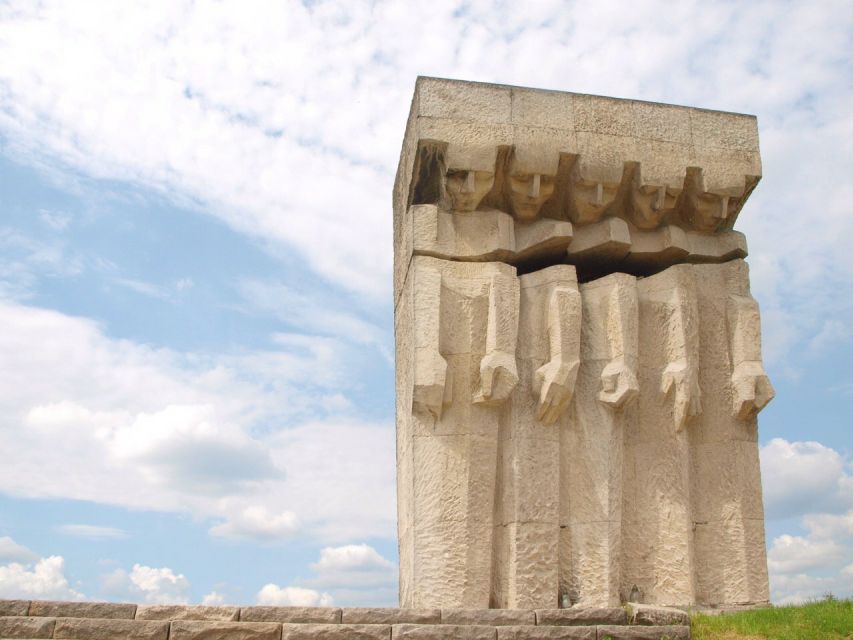
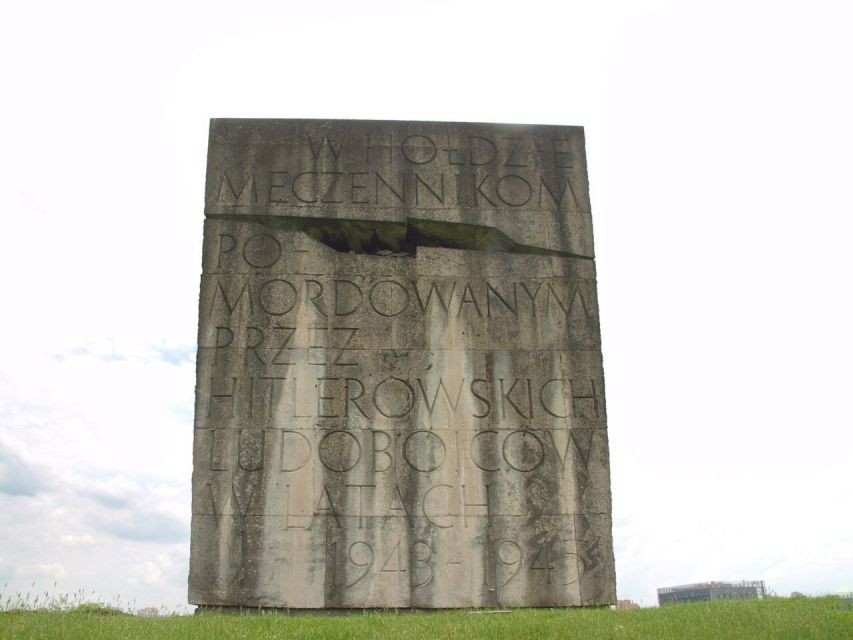
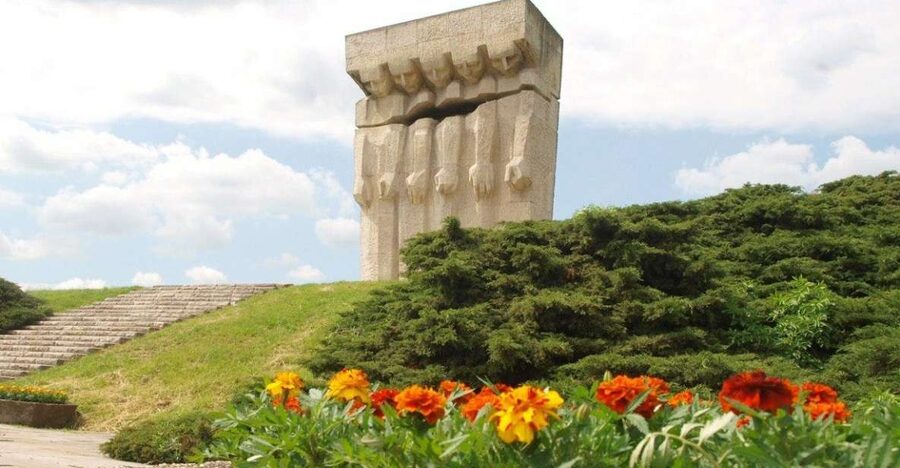
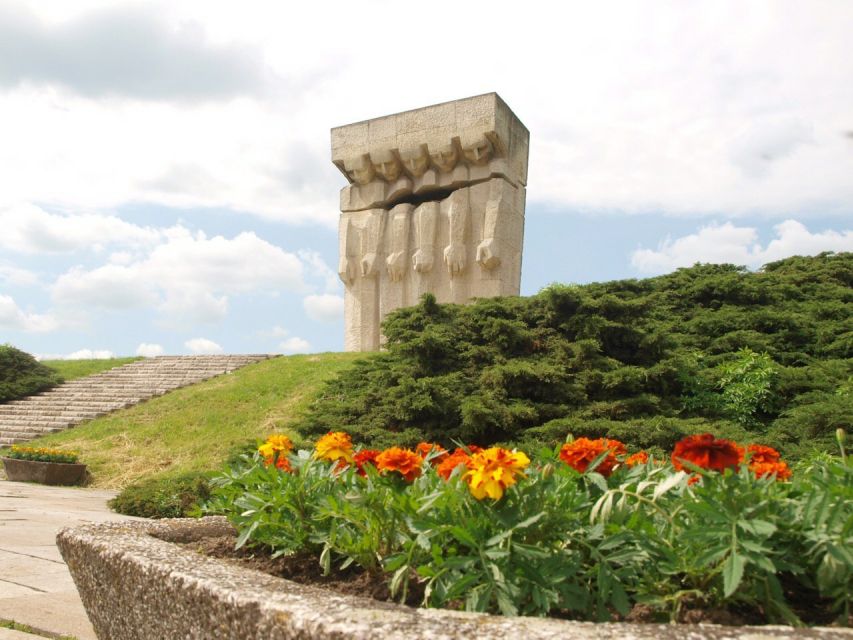
The tour includes stops at several memorials dedicated to the victims. These pauses give the visit a different pace from the historical explanation, and a chance to pay respects rather than simply move from one topic to the next.
This is a serious subject, and the memorials are not just photo stops. You may find that the strongest part of the visit is taking a moment to absorb what the site represents, especially after hearing about deportations, forced labor, and daily life in the camp. The tour’s focus on remembrance makes it more than a film-location outing.
The exact amount of time at each memorial is not specified, so go in ready to listen and reflect within the two-hour schedule. If you want a longer, quieter visit, consider how the guided format and fixed duration fit your plans.
Oskar Schindler and the film connection
The tour also discusses Oskar Schindler and how Plaszow was portrayed in Schindler’s List. The film offers a familiar reference point for many people, but the visit is not only about scenes from the movie. The guide connects the story of Schindler to the history of the camp and explains where the film’s replica was built.
That can be helpful if you have seen the film and want to understand its connection to Krakow. It also gives the tour an accessible entry point into a difficult subject. Still, treat the movie as one thread in the story, not the whole story. The camp’s history, its victims, and the memorials deserve your attention beyond the screen connection.
The Liban Quarry stop helps make that distinction visible. You can see where the film replica was created and learn why the location was used, while also recognizing that the original camp grounds are the central focus of the walk.
Other tours around Krakow worth your time
- From Krakow: Auschwitz-Birkenau Guided Tour & Hotel Pickup
★ 4.5 · 33,358 reviews - From Krakow: Auschwitz-Birkenau Guided Tour & Hotel Pickup
★ 4.5 · 29,340 reviews - Krakow: Auschwitz Guided Tour with Optional Hotel Pickup
★ 4.5 · 15,280 reviews - Krakow–Zakopane: Cable Car, Chocholow Baths, Cheese & Vodka
★ 5.0 · 10,720 reviews
What the two-hour walk feels like
This is a walking tour of an outdoor site, not a visit through a set of indoor exhibits. The format means you spend your time moving between parts of the former camp and listening to your guide explain what happened there. There is no promise of extensive surviving structures, so the guide’s ability to make the ground legible is central to the experience.
The two-hour duration is enough for an overview of the camp’s history, its work sites, the memorials, Schindler’s story, and the film connection. It is not a substitute for a full study of the Holocaust or every detail of wartime Krakow. Think of it as a focused local history visit that adds depth to your understanding of the city.
One visitor described the site as having little left to see without a guide, which is a useful expectation to carry with you. You are booking interpretation, not a series of intact buildings. If you enjoy asking questions and connecting places to events, this can be a strong use of two hours. If you need a museum-style display to make history accessible, the open site may feel less self-explanatory.
Is $23 good value?
At $23 per person, the price pays for a licensed guide and a two-hour walk. The tram ticket is not included, so factor in that separate cost when planning how to reach the meeting point. The tour’s main value is the explanation: on a site where much is no longer immediately visible, a guide can point out details and connect them to the camp’s history.
The tour has a 4.8 rating from 39 reviews, and the praise centers especially on the guides. Names that have come up include Krysztof, Phil, Anna, and Barbara. Comments describe guides as clear, friendly, and able to relate the camp to broader events. One visitor also valued having a small group, though group size is not guaranteed, so do not book on the assumption that every departure will be intimate.
For comparison, this is a focused visit to Plaszow rather than a full-day history itinerary. One visitor described it as a worthwhile addition to Auschwitz, which is a sensible way to think about it: Plaszow offers a closer look at a camp site within Krakow and the city’s wartime history, while it does not replace a separate visit to Auschwitz.
Practical details before you go
The tour lasts two hours, with starting times that vary by date. Meet the guide holding an excursions.city sign, and expect to finish back at the same meeting point. Since the tram ticket is not included, plan for that cost separately.
Tours are offered in English, German, French, Russian, Italian, and Spanish. The activity is listed as wheelchair accessible. The walk takes place outdoors, so check the forecast and dress for the conditions; there is little point in letting a wet or cold day catch you unprepared.
You can reserve now and pay later, and cancel up to 24 hours in advance for a full refund. Those terms make it easier to keep the tour in your plans while your Krakow schedule takes shape.
Who should book the Plaszow walk?
I would choose this tour if you want to understand the history of Plaszow rather than simply pass through the grounds. It suits visitors interested in Krakow’s wartime past, the Holocaust, or the connection between real locations and Schindler’s List. It is also a useful option if you have already visited Auschwitz and want to learn more about a camp site within Krakow itself.
It may be less satisfying if you expect a large collection of preserved buildings or an indoor exhibition. The site’s remains need explanation, and the visit depends on a guide’s account and your willingness to spend two hours outdoors. If that sounds like the kind of history experience you want, the guided format is the point, not a drawback.
Book it if you want a thoughtful, locally focused account of Plaszow and are comfortable with an outdoor walk. Go for the guide-led history and memorials first, with the film connection as an added layer.
FAQ
How long is the Plaszow walking tour?
The tour lasts two hours. Starting times vary, so check availability for your preferred date.
What is the price?
The tour is listed at $23 per person. A tram ticket is not included.
Which languages are available?
The live guide is available in English, German, French, Russian, Italian, and Spanish.
What will I see on the tour?
You will visit the former Plaszow camp grounds and its memorials, learn about the camp’s history and labor sites, and visit the nearby Liban Quarry replica built for Schindler’s List.
Where does the tour meet and finish?
Look for a guide holding an excursions.city sign. The tour ends back at the meeting point.
Can I cancel, and is the tour wheelchair accessible?
You can cancel up to 24 hours in advance for a full refund. The activity is listed as wheelchair accessible.
Newly listed around Krakow
- Private Krakow to or from Airport Transfer★ 5.0 · 17 reviews
- Private Airport Transfer from/to Krakow Balice Airport★ 5.0 · 124 reviews
- Private Full-Day Zakopane and Thermal Baths Tour from Krakow★ 5.0 · 27 reviews
- Krakow: Polish Aviation Museum – Skip the Line Ticket★ 4.5 · 13 reviews
- Private Guided Walking Tour in Krakow Wine Bars★ 5.0 · 16 reviews
- Pierogi Cooking Class: Mastering the Art of Polish Dumplings★ 5.0 · 129 reviews
- Polish Countryside and Tyniec Abbey Bike Tour from Krakow★ 5.0 · 37 reviews
- Krakow Jewish District and Ghetto Guided Tour in a Small Group★ 5.0 · 12 reviews
Krakow Walking Tours, compared.

Browse the lists this tour appears in