
Reviewed · AUSCHWITZ-BIRKENAU TOURS
Auschwitz-Birkenau: Entrance Ticket and Live Tour Guide
Auschwitz I and Birkenau are not just two stops on a day out. Together, they show the scale of the Nazi camp system and the fate of the people sent there. This 3.5-hour tour pairs both sites with an English-speaking guide, giving you context as you move through the remains.
I like two things here: the guide leads you through both camps, and the route includes evidence that can be hard to interpret on your own, from barracks and crematoriums to the remains of the railway at Birkenau. The entry process can also be straightforward when your guide has your ticket ready.
One caution: transport details need checking. The description refers to a shuttle from Krakow and between the camps, while the included and excluded lists say some transport is not included. The start time is approximate, and the exact time is confirmed the day before.
Key points before you book
- Two sites, one guided visit: The tour covers Auschwitz I and Auschwitz II Birkenau, with a guide at both.
- Expect a lot of outdoor time: Up to 70 percent of the visit may be outside, especially at Birkenau.
- Bring the same ID you booked with: Your full name must match the name on your passport or ID card.
- Check every transfer: Krakow transport and transport between the camps are not clearly covered by the included items.
- Audio can affect the experience: Headphones are provided, but a poor audio connection could make it hard to hear the guide.
- Allow room for a variable schedule: The museum sets the pace, break times, and visit duration.
Why seeing both Auschwitz I and Birkenau matters
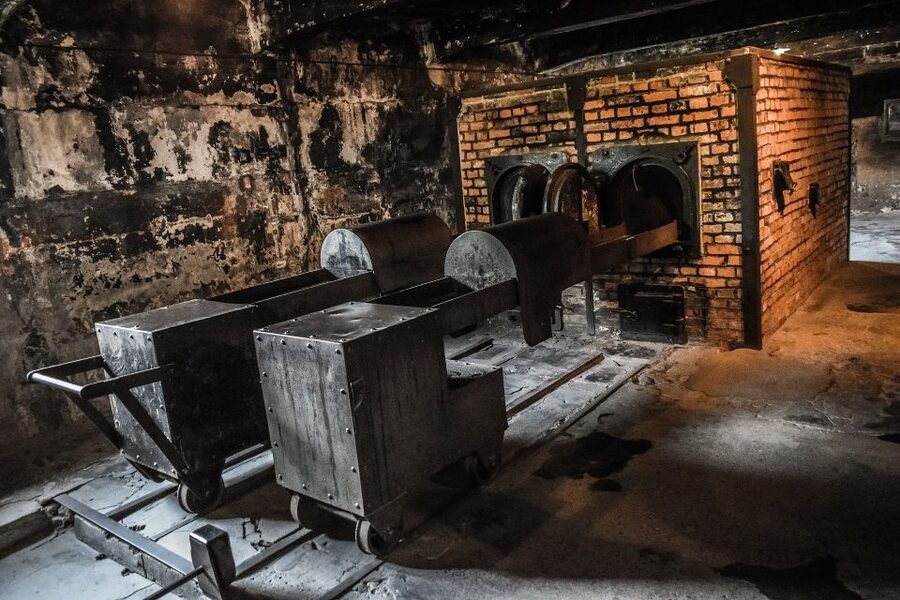
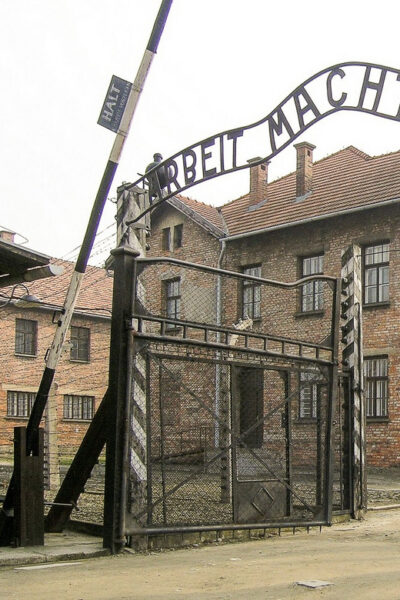
Auschwitz I and Auschwitz II Birkenau are different parts of the same system. Auschwitz I introduces the camp through its barracks, watchtowers, and crematoriums. Birkenau, the second stop, brings the scale of the site into view through its memorial, gas chambers, and the remains of the railway used to transport prisoners.
The tour is structured around that contrast. You start at Auschwitz I, where the guide explains evidence of Nazi crimes and the daily conditions prisoners faced. You then go to Birkenau, where the memorial and remaining structures help you consider how the camp operated and the vast number of people affected.
A guide matters here. These are sites where the physical remains can be stark, but not always self-explanatory. You can see buildings and ruins without knowing what they were used for, how they fit into the camp, or what prisoners endured. The guided format gives you a way to understand those details while keeping the visit focused and respectful.
This is not a light sightseeing stop, and the subject deserves more than a quick pass through. The tour gives you an organized visit to both camps, but the 3.5-hour duration means you should be prepared to keep moving at the pace set by the museum’s visitor service.
More Auschwitz-Birkenau visits around Krakow:
- From Krakow: Auschwitz-Birkenau Guided Tour & Hotel Pickup
★ 4.5 · 33,358 reviews - From Krakow: Auschwitz-Birkenau Guided Tour & Hotel Pickup
★ 4.5 · 29,340 reviews - Krakow: Auschwitz Guided Tour with Optional Hotel Pickup
★ 4.5 · 15,280 reviews
Starting at Auschwitz I
The meeting point is at Więźniów Oświęcimia 20, 32-600 Oświęcim, in front of the restaurant at Auschwitz I. Look for a representative with a sign marked Gr8way Meeting Point. The guide or representative provides your entrance ticket before you begin.
The start time is approximate. The museum has high occupancy, and the exact time of your visit is confirmed the day before. Keep your plans flexible around that confirmation, particularly if you are arranging a separate journey to the site or onward travel afterward.
Bring your passport or ID card. The museum may check your identity against the visitors list, and your booking name must match the name on your ID exactly. This is a small detail with large consequences: a mismatch can mean you are refused entry, so check spelling and full names carefully before submitting the booking.
The ticket is included, and the tour skips the ticket line. That can make arrival simpler, though it does not remove the need to meet the group at the right place or comply with identity checks. A positive practical sign is that one visitor described being called by the guide on arrival and finding that the tickets were already ready. That suggests the handoff can be smooth, but you should still keep your phone available and arrive with time to spare.
Walking through barracks and camp remains
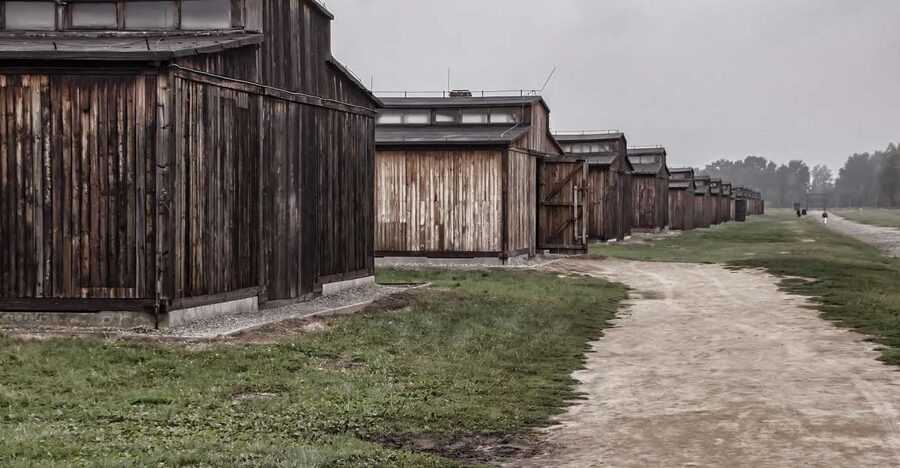
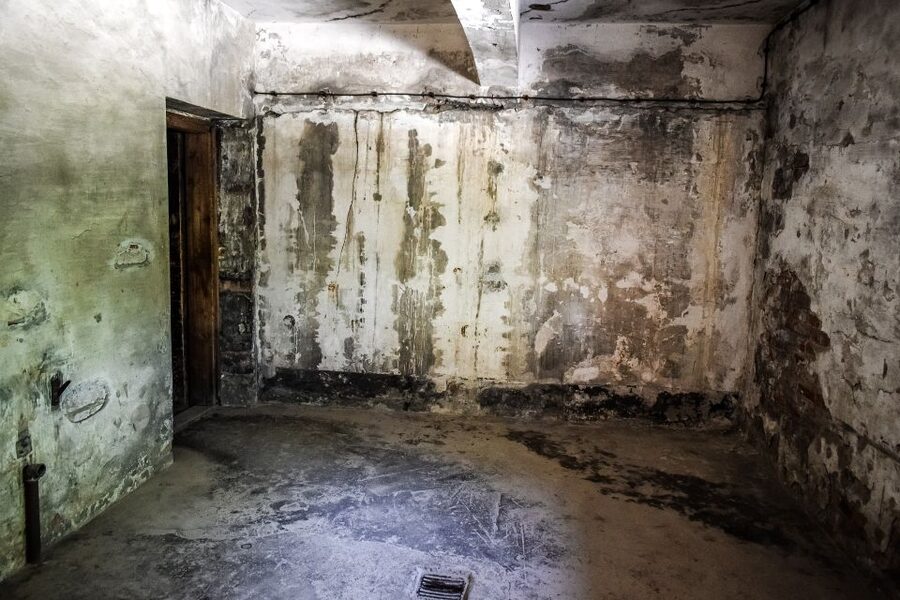
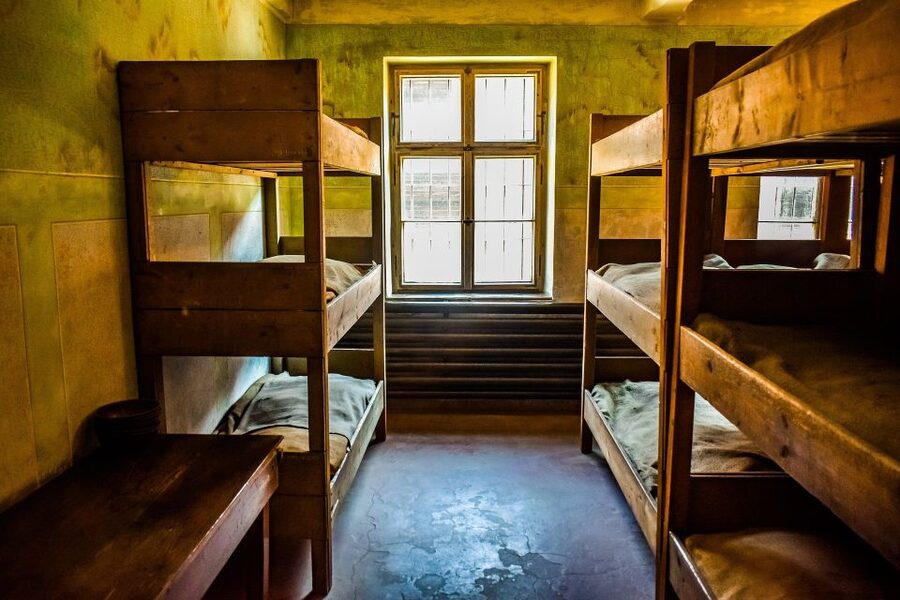
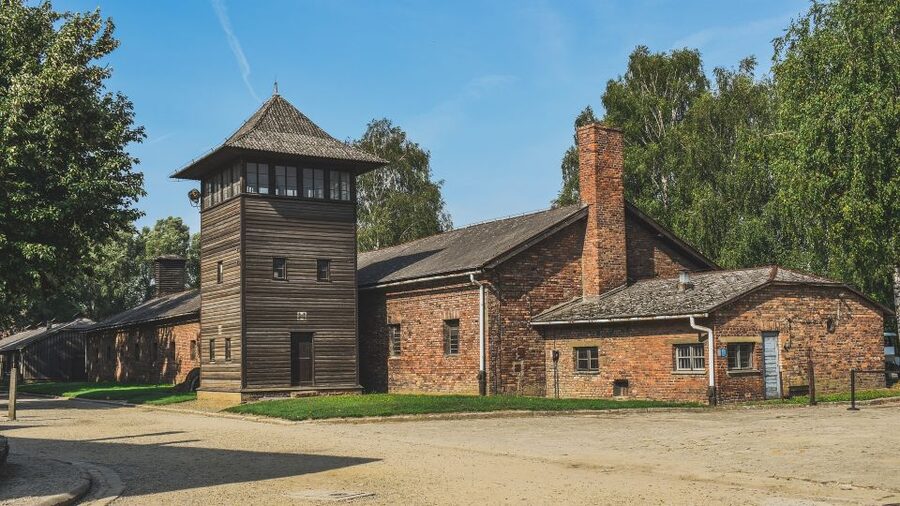
At Auschwitz I, the guide leads you through the remains of the camp, including barracks, watchtowers, and crematoriums. The focus is not only on what is still standing. You also hear about prisoners’ everyday lives and the conditions they faced, which helps make the site more than a collection of buildings.
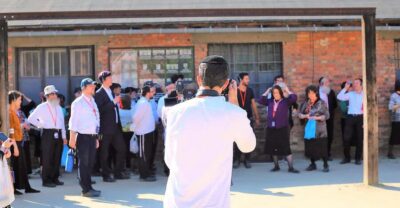
The guide is licensed, and the tour is in English. Headphones are provided so you can hear the explanation as the group moves. That matters in a large or busy site, where it can be difficult to stay close enough to hear every detail.
There is one practical caveat: the audio equipment may not work perfectly. One visitor found that it failed in several parts of the visit, and important explanation was lost. Since the guide’s narration is central to the experience, check your headphones early and tell the guide or representative promptly if the sound is weak or cuts out. Do not assume a problem will fix itself as you walk.
The subject is painful, and the guide’s role is to give context without turning the visit into a routine tour. You can expect accounts of prisoner life alongside visible evidence of Nazi crimes. Allow yourself to listen and take in the material rather than treating the schedule as a checklist.
The transfer to Birkenau
After Auschwitz I, the itinerary describes a shuttle to Auschwitz II Birkenau. Yet the activity details also list transportation between Auschwitz I and Birkenau as not included. The same uncertainty applies to a round-trip shuttle from Krakow: one part describes it as an option, while the included items do not list transport to or from Krakow.
Do not leave this point to chance. Before paying, confirm which transport option applies to the exact booking you are considering, whether it covers the transfer between the camps, and whether your Krakow journey is included. The distinction affects both the cost and how you plan the day. If you are making your own way to Auschwitz, you will need a clear answer about how to get from the first site to the second.
The two camps are separate stops, so this is not a minor detail. The tour’s value depends on reaching Birkenau as well as Auschwitz I. A clear transfer plan lets you focus on the visit instead of trying to solve transport in the middle of a demanding day.
More tickets and passes around Krakow:
- Krakow to Auschwitz Birkenau Guided Tour with Transfer and Ticket
★ 5.0 · 8,197 reviews - Krakow: Wieliczka Salt Mine Fast-Track Ticket & Guided Tour
★ 4.5 · 5,872 reviews - Auschwitz Birkenau Guided Tour with Ticket Hotel Pickup Small Van
★ 5.0 · 4,769 reviews - From Krakow: Wieliczka Salt Mine Tour & Skip the Line Ticket
★ 4.4 · 3,925 reviews
Birkenau’s memorial and railway remains
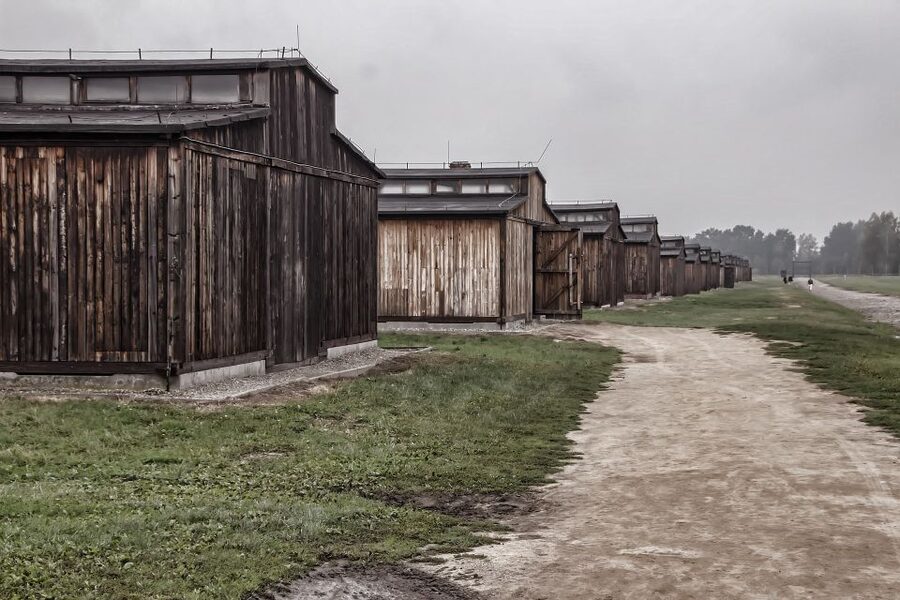
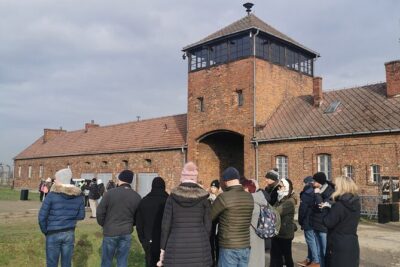
Birkenau is the second part of the tour and the place where you should expect the most outdoor exposure. The visit includes the memorial, gas chambers, and remains of the railway that brought prisoners to the camps. The physical scale and open setting make this stop different from the more contained walk through Auschwitz I.
Plan for weather, not just the forecast at the time you leave. Up to 70 percent of the tour can be outdoors, especially during the Birkenau portion. A coat, sensible footwear, and clothing suited to the conditions will make it easier to stay attentive during the visit. Food and drinks are not included, so plan those needs separately.
The memorial gives you time to pay respects to Holocaust victims. This is a place for quiet attention, not a fast photo stop. The guide’s explanations connect the railway remains and other structures to the people who were transported there, helping you understand the site’s purpose and human cost.
The tour description allows four hours to explore the site for the option with a Krakow shuttle, while the stated activity duration is 3.5 hours. Treat the schedule as dependent on the museum’s operating pace rather than a fixed timetable. Break times and visit duration are set by the memorial’s visitor service, not by the tour provider or guide.
What $47 covers, and what it may not
At $47 per person, the listed price covers an English-speaking guide, headphones, entrance tickets, and the online booking fee. For a visitor who wants both camps explained in English and prefers a guided route, those inclusions make the price easier to assess than a ticket-only option.
But the price does not automatically solve your travel logistics. Hotel pickup and drop-off, food and drinks, and transport to and from Krakow are listed as excluded. Transport between Auschwitz I and Birkenau is also listed as excluded, despite the itinerary describing a shuttle. Confirm the transport terms before booking, and include any separate transfer cost in your total.
The tour is non-refundable. That is especially important because the exact start time is confirmed the day before, and one person described a cancellation the evening before departure after driving a long distance. That account does not tell you how often cancellations occur, but it is a useful reminder not to build a costly, inflexible trip around this booking alone. Keep your contact details current and make sure you understand what happens if the activity is cancelled.
The overall rating is 3.2 out of 5, a signal to read the practical conditions closely rather than book on price alone. The most reassuring detail is that entry can be easy when the tickets are ready and the guide makes contact. The most concerning details are the reported audio trouble and late cancellation. Neither guarantees your experience will go the same way, but both are worth factoring into your decision.
Who this guided visit suits
This tour is a good fit if you want an English-speaking guide to lead you through both camps and explain prisoner life, camp conditions, and the evidence at each stop. It can also suit you if you value having the entrance ticket handled as part of the visit and want an organized route through sites that are difficult to interpret without context.
It is less suitable if you need step-free or wheelchair access. The activity is not suitable for people with mobility impairments or wheelchair users. The group moves through a substantial site, and the pace and breaks are determined by the museum’s visitor service.
It may not suit you if you need a firmly fixed start time or a fully settled transport package. The meeting time is approximate, and the transport descriptions need clarification. Large bags and luggage are not allowed, so leave them elsewhere before arriving.
FAQ
How long does the tour last?
The stated duration is 3.5 hours. The exact visit time and breaks depend on the memorial’s visitor service, and the start time is approximate.
Which camps are included?
The guided visit covers Auschwitz I and Auschwitz II Birkenau.
Is the tour in English?
Yes. The live guide speaks English, and headphones are provided.
Where is the meeting point?
Meet at Więźniów Oświęcimia 20, 32-600 Oświęcim, in front of the restaurant at Auschwitz I. Look for the representative holding a Gr8way Meeting Point sign.
Is transport from Krakow included?
Transport to and from Krakow is listed as not included, although a Krakow shuttle option is also described. Confirm the exact transport arrangement for your booking before you pay.
Is transport between Auschwitz I and Birkenau included?
The information is unclear: the itinerary describes a shuttle, while the included items list transport between the sites as not included. Confirm this detail before booking.
What should I bring?
Bring your passport or ID card and weather-appropriate clothing. Your booking name must match the name on your ID.
Can I bring a large bag or suitcase?
No. Luggage and large bags are not allowed.
Is the tour suitable for wheelchair users?
No. The activity is listed as unsuitable for wheelchair users and people with mobility impairments.
Should you book this tour?
Book it if you want a guided visit to both Auschwitz I and Birkenau, and you are comfortable with a serious, outdoor-heavy experience whose timing follows the museum’s schedule. The guide, tickets, and headphones are useful inclusions, and a prepared ticket handoff can make the start simple.
Before booking, get clear answers about the transfers and keep your plans flexible. If you need reliable audio, fixed timing, or guaranteed transport arrangements, the unresolved details may outweigh the convenience.
Newly listed around Krakow
- Private Krakow to or from Airport Transfer★ 5.0 · 17 reviews
- Private Airport Transfer from/to Krakow Balice Airport★ 5.0 · 124 reviews
- Private Full-Day Zakopane and Thermal Baths Tour from Krakow★ 5.0 · 27 reviews
- Krakow: Polish Aviation Museum – Skip the Line Ticket★ 4.5 · 13 reviews
- Private Guided Walking Tour in Krakow Wine Bars★ 5.0 · 16 reviews
- Pierogi Cooking Class: Mastering the Art of Polish Dumplings★ 5.0 · 129 reviews
- Polish Countryside and Tyniec Abbey Bike Tour from Krakow★ 5.0 · 37 reviews
- Panorama of Krakow from the Vistula River during an hour-long cruise★ 4.0 · 15 reviews
Auschwitz-Birkenau Tours, compared.
Auschwitz-Birkenau Guided Tour & Hotel Pickup
Read our review →
Auschwitz Guided Tour with Optional Hotel Pickup
Read our review →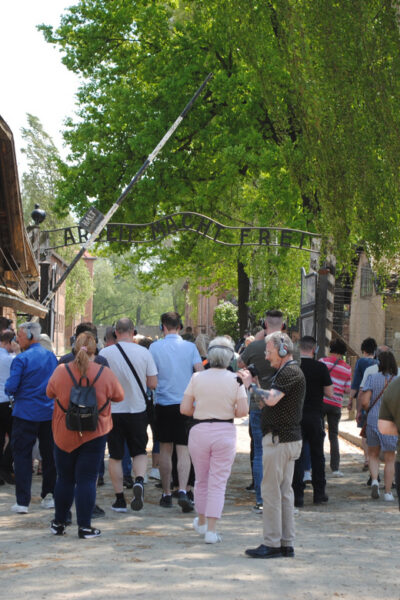
Auschwitz-Birkenau Guided Tour with Pickup & Lunch
Read our review →
Krakow to Auschwitz Birkenau Guided Tour with Transfer and Ticket
Read our review →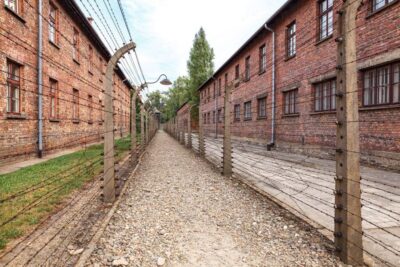
Auschwitz Birkenau Small Group Tour with Pickup
Read our review →Browse the lists this tour appears in