
Reviewed · AUSCHWITZ-BIRKENAU TOURS
Krakow: Auschwitz Birkenau Museum Guided Tour with Pickup
A visit to Auschwitz-Birkenau puts the scale of Nazi crimes in front of you in a way that no book or screen can. You walk through two former camps, seeing the barracks, railway ramp and other remains in the places where these events took place.
I like two things about this trip: round-trip transport from Krakow spares you the work of arranging the journey, and an on-site guide helps put the buildings and evidence into context. The visit includes both Auschwitz I and Birkenau, so you see two very different parts of the camp complex.
The main drawback is that pickup times can change, sometimes by several hours, and the visit involves substantial walking in an emotionally difficult setting. Treat the day as a memorial visit, not a casual outing, and check your confirmed pickup details carefully.
What to know before you go
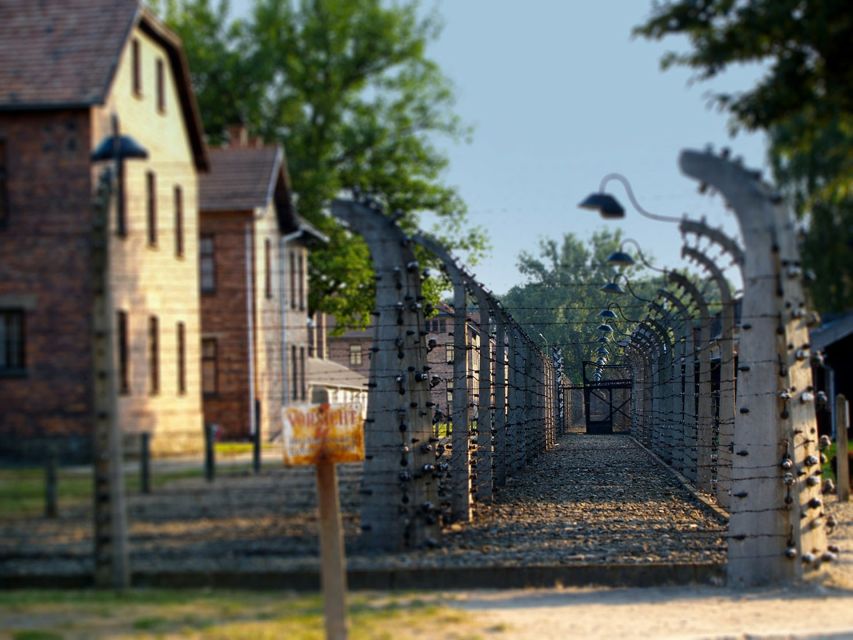
- Two sites, one visit: The tour covers Auschwitz I and Auschwitz II-Birkenau.
- About seven hours door to door: Allow roughly 90 minutes each way for the drive, plus the guided visits.
- An English-speaking guide leads the museum visit: Past guides have included Anna, Sofia and Susannah, but your guide may differ.
- Expect a lot of walking: Comfortable shoes matter, especially on Birkenau’s uneven ground.
- Travel light and dress for the weather: Large bags are not allowed, and much of the site is open to the elements.
- Confirm names and timing: Your booking name must match your ID, and departure times may change.
The drive from Krakow is part of the day
The distance from Krakow to Auschwitz-Birkenau is about 65 kilometres. The drive takes roughly an hour and a half each way, so the transport is more than a convenient extra: it takes a sizable share of a seven-hour day.
Pickup is included, with the stated starting point at Straszewskiego 14. The activity information also describes hotel pickup and drop-off, and pickup locations can depend on the option you select. Check your confirmation for the exact meeting point, then check the departure time again before the day. Some departures have been moved earlier, and a planned 10am pickup has, in one case, become 6:15am the day before.
That shift can be frustrating, particularly if you have planned your Krakow morning around a later start. But an early departure may get you to the museum for an earlier entry time. Some groups have been back in Krakow around lunchtime, leaving time for other plans. The tradeoff is a very early alarm and a long, serious day.
Transport is by air-conditioned car or minivan, with small groups available. A smaller vehicle can make for a more personal ride and a simpler pickup, though the exact group size is not guaranteed. Drivers may also explain the day’s plan and help you get oriented before arrival. One driver, Damien, even took his group to a nearby McDonald’s for breakfast rather than leave them waiting in the van. That sort of practical help can make an early start easier, but plan to bring what you need rather than count on an extra stop.
The drive is about 90 minutes each way, and the tour can run longer if museum queues or transfers take time. Keep the rest of your day flexible. The experience is too important to enjoy while watching the clock.
More Auschwitz-Birkenau visits around Krakow:
- From Krakow: Auschwitz-Birkenau Guided Tour & Hotel Pickup
★ 4.5 · 33,358 reviews - From Krakow: Auschwitz-Birkenau Guided Tour & Hotel Pickup
★ 4.5 · 29,340 reviews - Krakow: Auschwitz Guided Tour with Optional Hotel Pickup
★ 4.5 · 15,280 reviews
Auschwitz I: barracks, exhibits and evidence
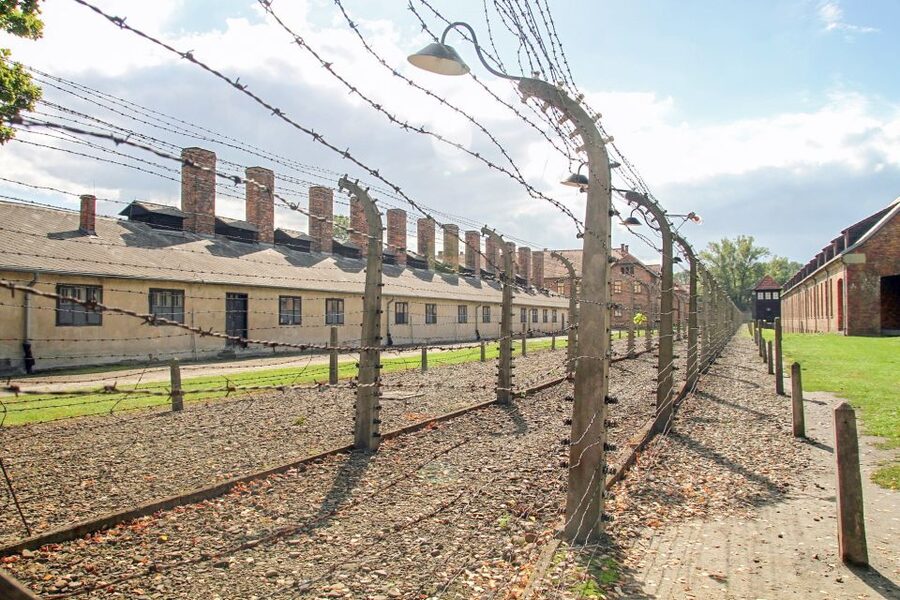
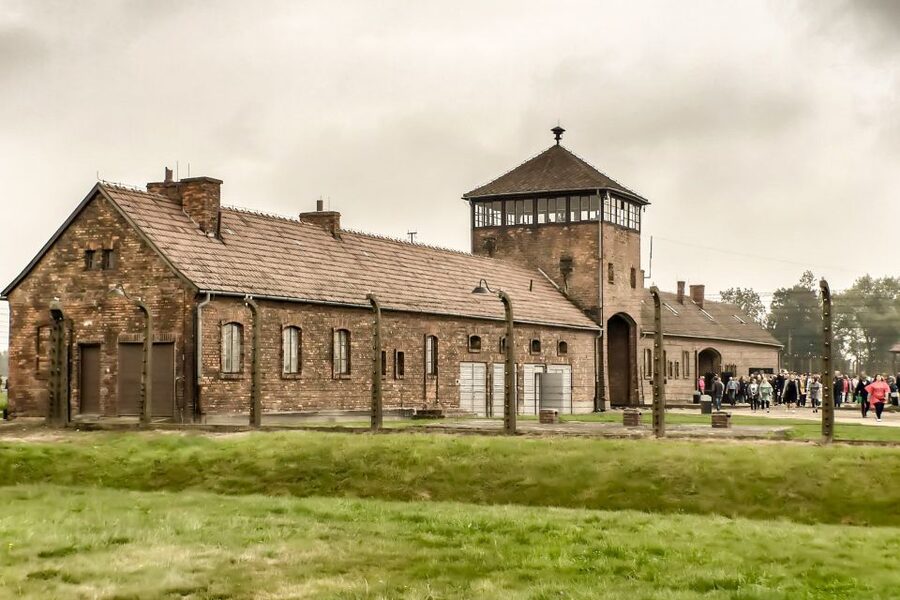
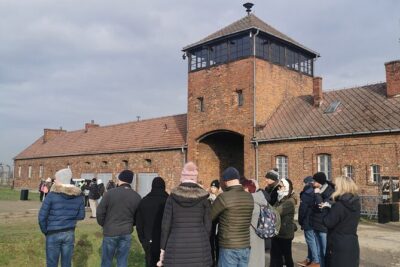
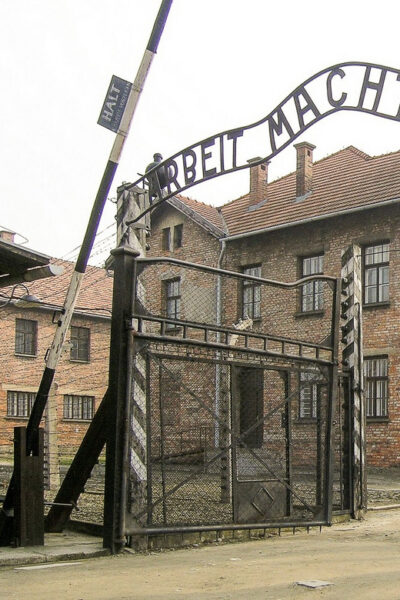
The first guided stop is Auschwitz I, with about two and a half hours set aside for the visit. The camp’s brick buildings, watchtowers and remaining evidence make the history immediate. The guide connects the site’s physical remains with the lives of prisoners and the crimes committed there.
The visit is not simply a walk past old buildings. You are there to learn how the camp operated and to understand the human cost behind its structures. The tour focuses on historical explanation and stories of everyday prisoner life, giving context to what you see rather than leaving you to interpret it alone.
An English-speaking guide leads the museum visit, and an English audio guide is included. Headsets have been used to help visitors hear the guide clearly as the group moves through the site. Listen closely, but do not feel you must catch every word or absorb every detail at once. The amount of information can be hard to take in, especially when the subject is so harrowing.
The pace may feel brisk. The guide has a set route and limited time, and the site can be busy. If you need to pause or ask a question, do so when there is an opening, but understand that the group may need to keep moving. Good guides have been praised for presenting difficult material with care and respect. Anna, Sofia and Susannah are among the guides who have led tours, though you cannot book a particular person based on the information provided.
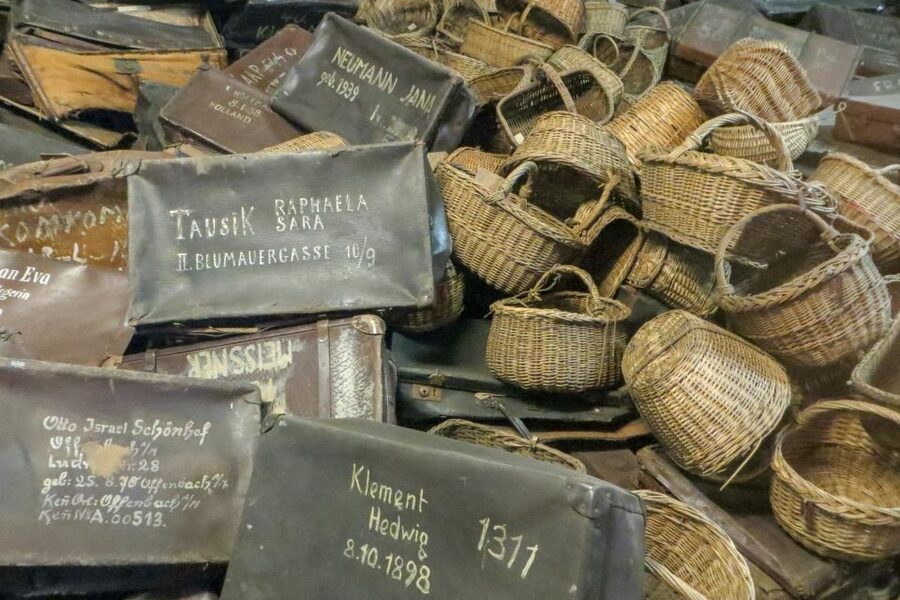
The camp was established in 1941, and the tour’s historical account follows its expansion during the war. Auschwitz II-Birkenau was built with gas chambers, while Auschwitz III served as a work camp. Thousands of prisoners were liberated in 1945. As the SS retreated, they destroyed much of the evidence of their crimes and experiments. The remains you see are therefore a partial record, not the whole story.
Birkenau: the railway ramp and the camp’s scale
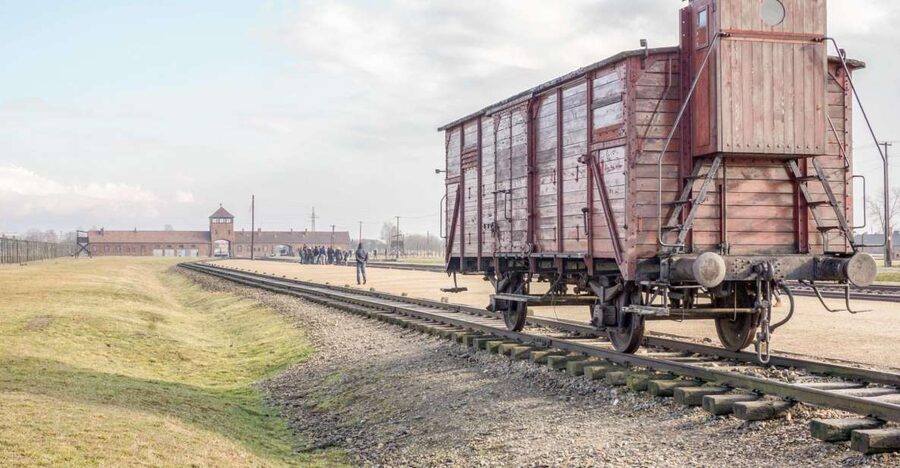
After Auschwitz I, the tour continues to Auschwitz II-Birkenau, with about an hour allocated here. You see the railway ramp, barracks, watchtowers and remains of gas chambers and crematoria. This part of the visit gives you a sense of the camp’s vast scale and its role in the machinery of mass murder.
Birkenau is different from Auschwitz I. It is more exposed, and much of the site is outdoors. The ground can be rocky and uneven, so choose sturdy, comfortable shoes with soles thick enough for a long walk. You may also be walking in wind, rain or cold, depending on the season. A warm hat and scarf are useful in winter, while weather-appropriate clothing is sensible year-round.
The one-hour allocation means the visit can feel fast. You will cover a large area and hear a great deal in a limited time. Take in the key points your guide explains, and remember that the purpose is not to see every corner. This is a memorial site, and the physical distance between its remains is part of what makes its scale so stark.
Expect steps and sustained walking across both camps. The tour is not suited to anyone who needs a low-walking day. There are toilets and places to buy drinks and fast food at the site, but once the guided visit is under way, you may not have a convenient chance to stop for a drink. Bring water with you. A small bottle is easier to carry than a large bag, which is not permitted.
A demanding visit, and a day that needs room
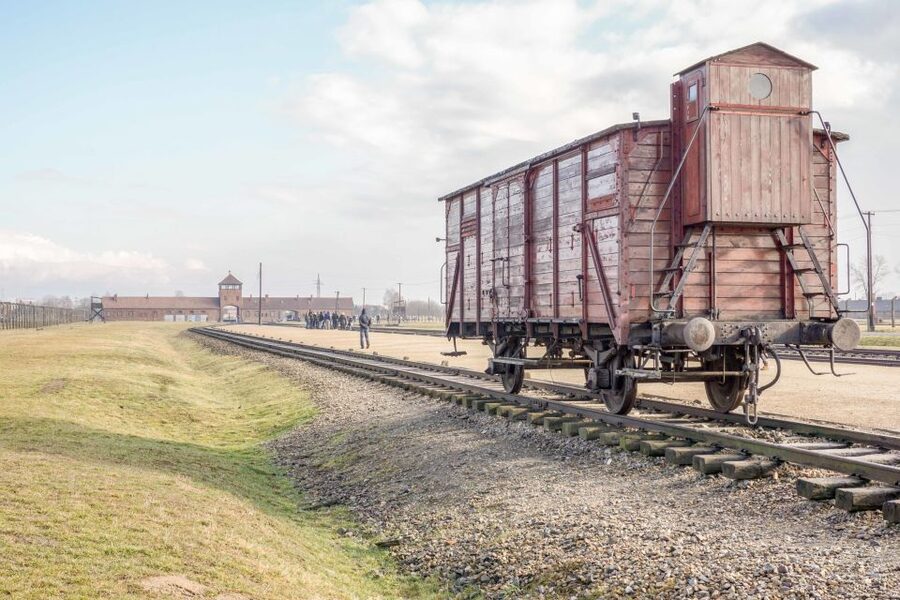
The full trip lasts about seven hours, with around three and a half hours of guided visits split between the two camps. Add the drive, entry procedures and transitions, and you have a substantial day. The published stop times are a guide, not a promise that every part will run to the minute.
It is worth preparing emotionally as well as practically. The tour is harrowing, and the details of prisoner life and mass murder can be difficult to hear. You do not need to treat the visit as a test of endurance. Give yourself space afterward, and avoid stacking another demanding attraction immediately onto the same day.
The guide matters because the buildings and remains need context. The strongest guides make the history clear, answer questions and handle the subject with sensitivity. Still, a group tour has limits. You share the pace with others, and the guide may not be able to stop for every question or let you linger wherever you wish.
The practical organization can also vary. Drivers have been described as friendly, punctual and helpful, but visitors have also encountered confusion over timings or waits caused by the volume of people. One group was given an incorrect meeting time and had to call the operator. Save the contact details and verify the final instructions in advance. This is a sensible precaution, not a reason to expect a problem.
More museum visits around Krakow:
- Auschwitz-Birkenau Museum and Memorial Guided Tour from Krakow
★ 4.5 · 1,510 reviews - Krakow: Rynek Underground Museum Guided Tour
★ 4.6 · 1,122 reviews - Krakow Schindler’s Factory Museum Guided Tour in English
★ 4.5 · 650 reviews - Krakow: Muzeum Banksy Entry Ticket
★ 4.7 · 597 reviews
What the price covers, and what to weigh
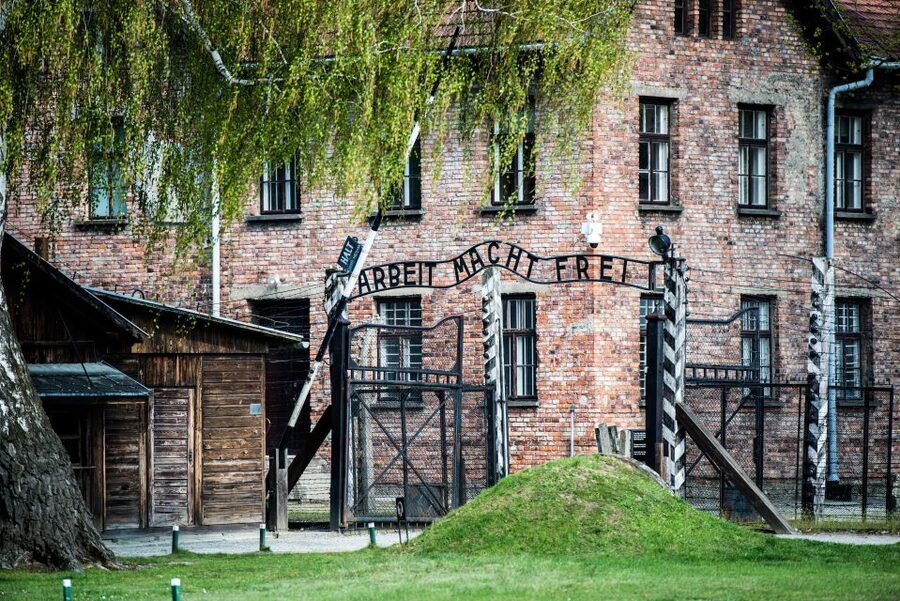
The stated price is $8 per person, and the package includes museum entry, transport by air-conditioned car, an English-speaking professional guide, and hotel pickup and drop-off. At that price, the value looks strong if all those elements apply to the option you book. But the amount you pay can vary with the selected date or how close to departure you book. Check the final price and inclusions before confirming rather than assuming every departure costs the same.
A guided visit has particular value here. You are not just paying for a ride to a site 65 kilometres from Krakow; you are also getting an organized entry and an explanation of what you see. The museum visit itself lasts several hours, and the guide’s account helps connect the remains to the people and events behind them.
There are important limits. The museum tickets are non-refundable, and the activity is also marked non-refundable. You must provide your full name and contact details at booking, and the name must match your passport or ID exactly. A valid student ID allows a youth discount. These rules make it wise to check spellings, dates and selected options before paying.
The low stated price should not distract from the real question: does this format suit you? A minivan or small-group option, pickup and a guide make the day easier to manage. In return, you accept a fixed route, limited time at each site and a departure schedule that may shift. If you want to explore at your own pace, this may feel rushed. If you value having transport and interpretation arranged, it is a practical way to visit.
Who should book this Krakow day trip
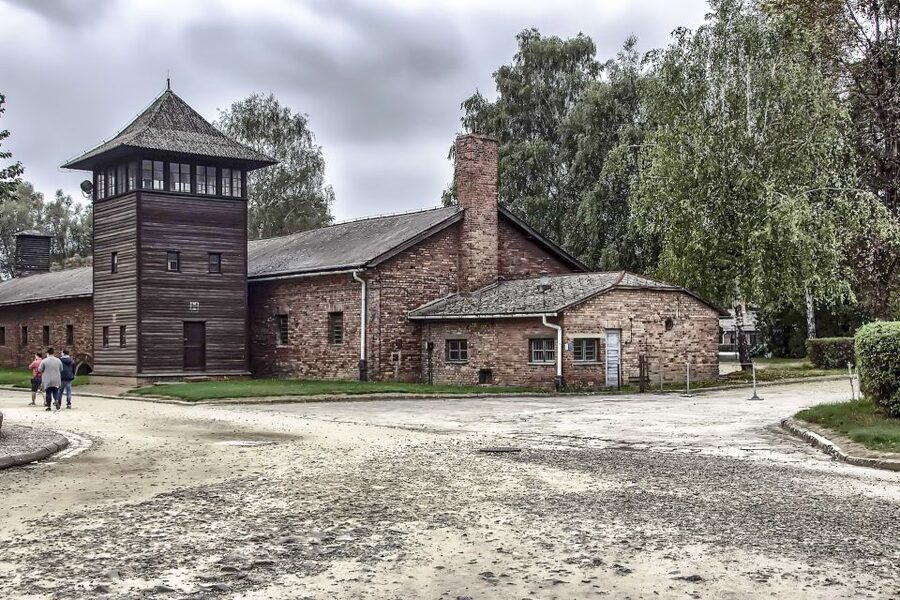
I would choose this tour if you want a guided visit to both Auschwitz I and Birkenau without arranging transport yourself. It suits visitors who value historical context, can manage several hours of walking and are comfortable being part of a group. It is also a sound choice if you want an English-language guide and a defined plan for a place that can be difficult to navigate on your own.
Think twice if you need a relaxed schedule, dislike early starts or want long stretches of quiet time at each site. The pickup may be earlier than first expected, the guide sets the pace, and the visit can be emotionally draining. Families should also consider whether younger members are ready for the subject matter, though the provided tour details do not specify an age limit.
Bring your ID, water, comfortable shoes and clothes suited to the forecast. Leave large bags behind, and do not bring pets, alcohol or drugs. Above all, keep the day open enough to give the visit the attention it deserves.
Should you book?
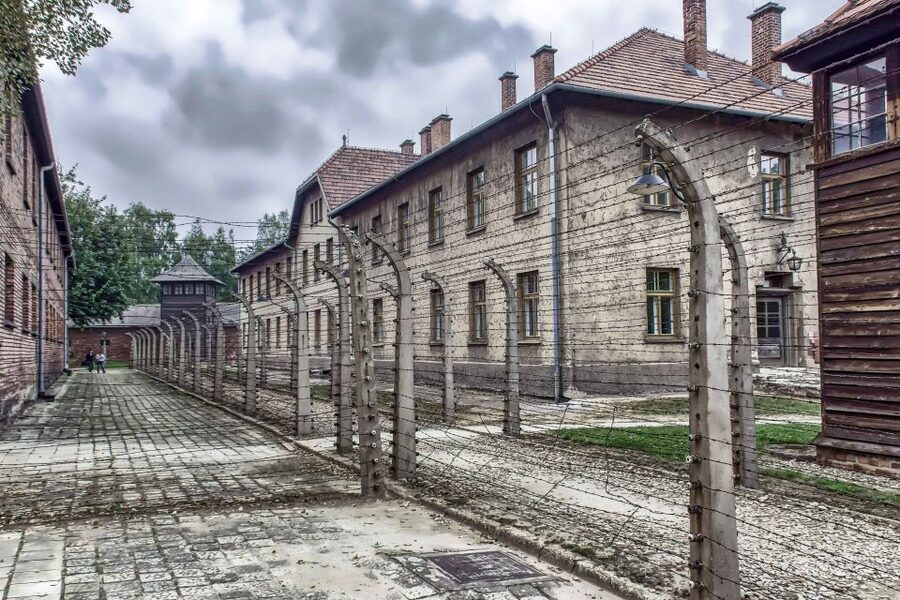
Book this tour if you want a direct, guided introduction to Auschwitz I and Birkenau with Krakow transport included. Its strongest points are the combined visit to both camps, the English-speaking guide and the relief of having the drive organized. Go in prepared for lots of walking, a heavy subject and possible changes to your pickup time. If those tradeoffs work for you, this is a practical way to make a meaningful visit.
FAQ
How long does the tour take?
The activity lasts about seven hours, including transport from Krakow and the visits to both camps. The drive is about 90 minutes each way.
Which sites are included?
The guided visit covers Auschwitz I and Auschwitz II-Birkenau.
What language is the tour in?
The live tour guide and included audio guide are in English.
Is transport included?
Yes. The tour includes transport by air-conditioned car, with hotel pickup and drop-off described. The exact pickup point depends on the option you select.
Where is the stated starting point?
The stated start is Straszewskiego 14. Check your confirmation for the exact pickup point and time.
What should I bring?
Bring your passport or ID card, comfortable shoes and weather-appropriate clothing. Water is also useful for the visit.
Can I bring a large bag?
No. Luggage and large bags are not allowed.
Are the tickets refundable?
No. The activity and museum tickets are listed as non-refundable.
Can I get a youth discount?
Yes. A valid student ID allows you to get a youth discount.
Newly listed around Krakow
- Private Full-Day Zakopane and Thermal Baths Tour from Krakow★ 5.0 · 27 reviews
- Private Krakow to or from Airport Transfer★ 5.0 · 17 reviews
- Private Airport Transfer from/to Krakow Balice Airport★ 5.0 · 124 reviews
- Krakow: Polish Aviation Museum – Skip the Line Ticket★ 4.5 · 13 reviews
- Private Guided Walking Tour in Krakow Wine Bars★ 5.0 · 16 reviews
- Pierogi Cooking Class: Mastering the Art of Polish Dumplings★ 5.0 · 129 reviews
- Polish Countryside and Tyniec Abbey Bike Tour from Krakow★ 5.0 · 37 reviews
- Krakow Jewish District and Ghetto Guided Tour in a Small Group★ 5.0 · 12 reviews
Auschwitz-Birkenau Tours, compared.
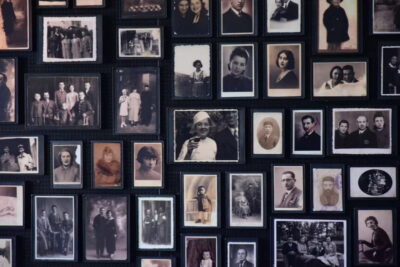
Auschwitz-Birkenau Guided Tour & Hotel Pickup
Read our review →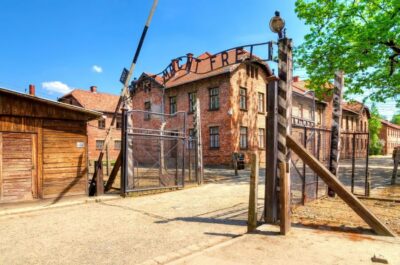
Auschwitz Guided Tour with Optional Hotel Pickup
Read our review →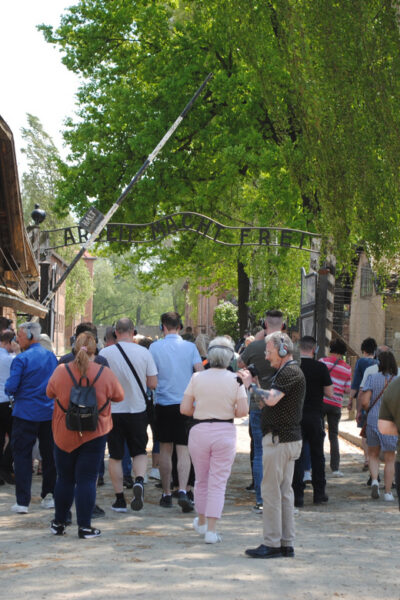
Auschwitz-Birkenau Guided Tour with Pickup & Lunch
Read our review →
Krakow to Auschwitz Birkenau Guided Tour with Transfer and Ticket
Read our review →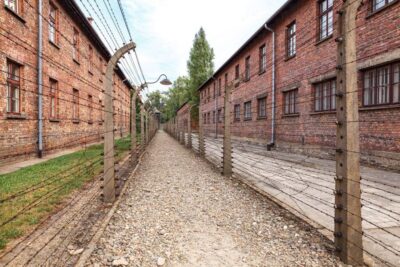
Auschwitz Birkenau Small Group Tour with Pickup
Read our review →Browse the lists this tour appears in