
Reviewed · SCHINDLER'S FACTORY TOURS
Krakow Schindler’s Factory & Ghetto & Plaszow Camp Guided Tour
At Schindler’s Enamel Factory, the story is not just about Oskar Schindler. The museum follows Krakow under Nazi occupation from 1939 to 1945, then the tour carries that context into the former ghetto and Plaszow camp. You get a citywide account of persecution, forced labor, and deportation rather than a single famous story.
I like two things in particular: the guide helps connect the museum’s exhibits to real places around Krakow, and the small-group format should leave room to hear explanations at each stop. The main drawback is the pace on foot. Five hours is a long stretch, and the tour includes outdoor sites as well as the museum.
Key points to know before booking
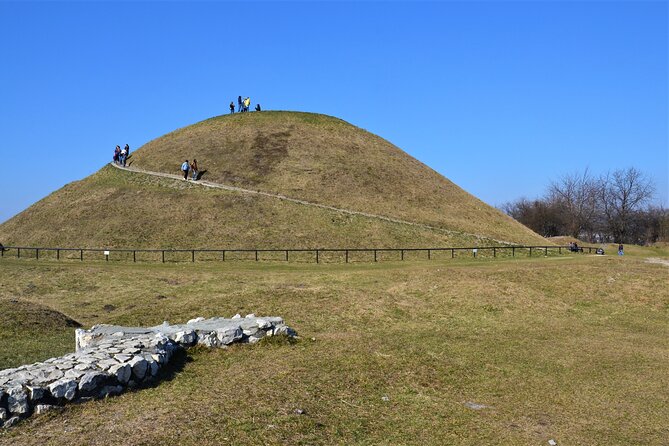
- Schindler’s Factory is about occupied Krakow, not a biography of Schindler. The museum’s main exhibition covers life under Nazi rule from 1939 to 1945.
- The tour links four meaningful stops. You visit the factory museum, an original ghetto wall fragment, Ghetto Heroes Square, and Plaszow.
- The walk takes stamina. The outing lasts about five hours, and a past participant described sore feet afterward.
- The museum ticket is included, but the tram fare is not. Budget 4 PLN for the tram ticket.
- Group-size information differs. The tour is described as capped at 15, while the general activity details give a maximum of 25. Check the number for your date before booking if group size matters to you.
- The guide is a key part of the experience. The stops are sobering and spread across different parts of the city, so explanations help make the connections clear.
Schindler’s Factory tells a city’s story
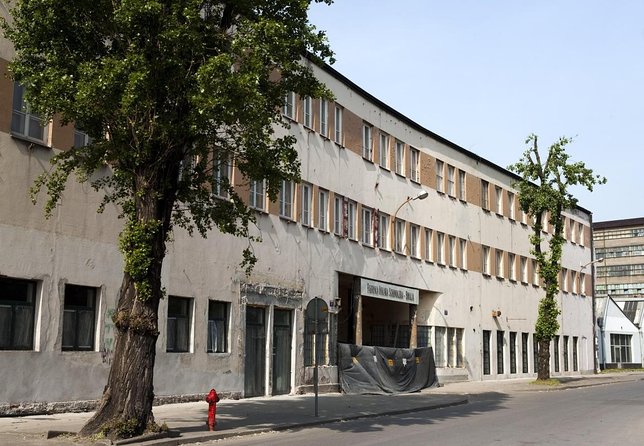
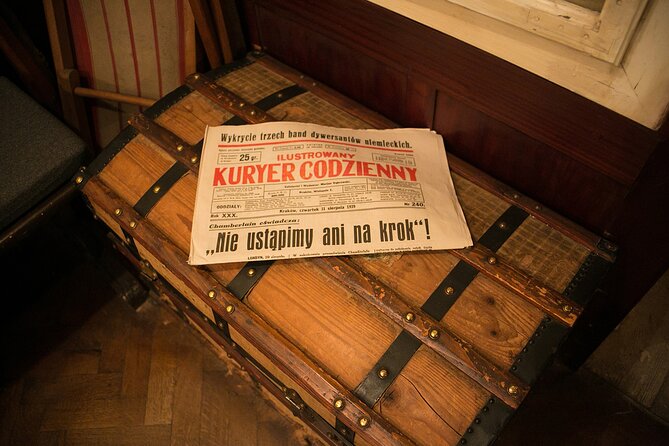
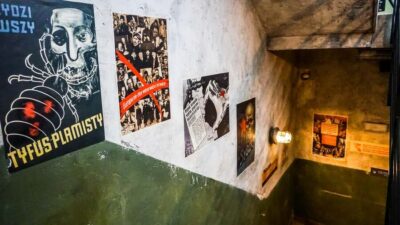
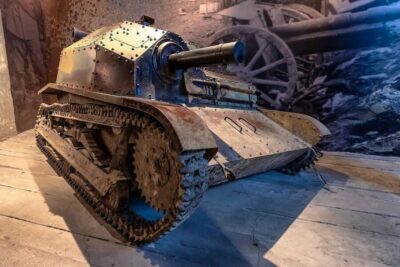
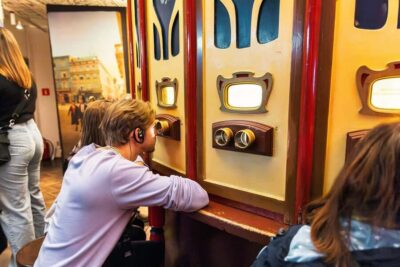
The tour begins at Lipowa 4, at the former enamel factory that now houses a branch of the Historical Museum of Krakow. The museum’s main exhibition, Kraków under Nazi Occupation 1939–1945, takes about an hour and a half. Your admission ticket is included.
One useful point to know before you enter: this is not a biographical museum about Oskar Schindler. Instead, it presents the occupation through the experiences and daily lives of people in Krakow. Schindler is part of the site’s history, but the exhibition’s wider focus gives you a better frame for the rest of the tour.
That approach makes the museum a strong opening stop. You first get the larger picture of how the occupation changed the city, then you visit places tied to the persecution of Krakow’s Jewish population. A guide can help you follow that shift from broad context to specific streets and sites, rather than leaving you to connect the events alone.
Allow time to take in the exhibits without expecting a quick walk-through. Ninety minutes is a substantial museum visit, but the overall tour still has several more stops. If you prefer to linger over every display, you may find the schedule brisk.
More Schindler's Factory visits around Krakow:
- Krakow: Oskar Schindler’s Factory Entry Ticket & Guided Tour
★ 4.2 · 3,793 reviews - Krakow: Schindler’s Factory Tour with Entrance Ticket
★ 4.5 · 3,182 reviews - Krakow: Schindler’s Factory Skip-the-Line Ticket
★ 4.4 · 3,105 reviews
The ghetto wall: a small remnant with a heavy message
The next stop is a 12-metre stretch of the original Krakow ghetto wall. It is a brief visit, about 15 minutes, and admission is not required. The wall is a physical fragment of the boundary that once enclosed part of the city’s Jewish population.
A commemorative plaque in Hebrew and Polish recalls the residents who lived, suffered, and died under German persecution, and those sent from here toward the death camps. The stop is small in scale, but its location and memorial make it a stark link between the museum’s larger account and the human cost of occupation.
This is not a site where you should expect a long visit or a large exhibition. Its value lies in seeing what remains and hearing the guide explain its place in the history of the ghetto. The short duration also means you will need to stay attentive: there is little time to absorb the context on your own.
Ghetto Heroes Square and its empty chairs
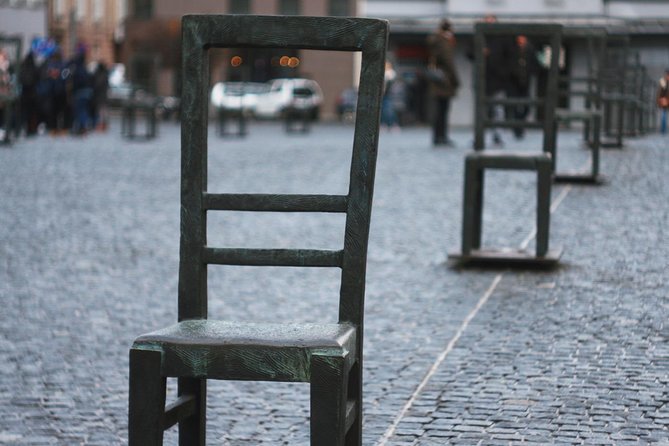
In Podgórze, Ghetto Heroes Square was within the ghetto between 1941 and 1943. It was a place where Jewish residents were assembled before being transported to concentration camps. Today, the square’s memorial consists of dozens of cast-iron chairs set apart from one another.
The chairs represent the property and belongings left scattered in the streets after the ghetto was liquidated. They give the open square a clear visual focus, while also pointing to absence and loss. Your stop here lasts about 15 minutes, so the guide’s explanation matters. Without context, the chairs might look like an unusual public artwork; with it, they become part of the story of what happened here.
This is another outdoor stop, and it should be approached as a memorial rather than a photo opportunity. The setting is part of an ordinary city district, which can make the history feel close to daily life. It is a brief pause in the tour, but an important one before you continue to Plaszow.
Plaszow: the longest outdoor stop
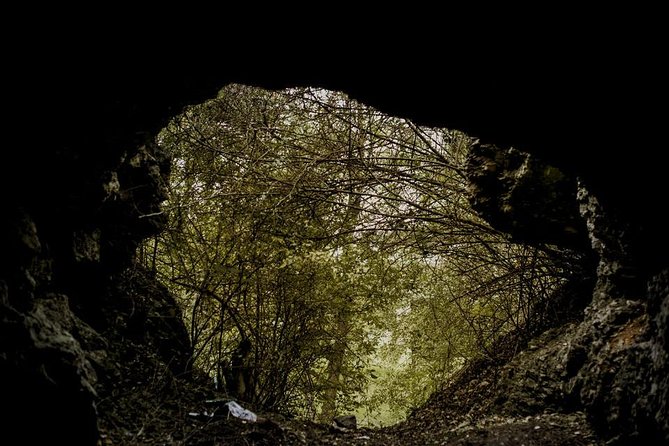
Plaszow, in Krakow’s southern suburbs, takes about an hour and a half. The visit is free, and this is the tour’s longest stop after the museum. The Nazis first established the site in 1940 as a forced-labor camp. It was expanded in 1941 and converted into a concentration camp; deportations of Jews from the Krakow ghetto began there on October 28, 1942.
Plaszow supplied labor to military factories and a quarry. That detail helps explain how the camp was tied to the machinery of occupation, not set apart from it. The site’s history is also familiar to some people through the film Schindler’s List, but the tour gives you a chance to learn about the actual camp and its role beyond what a film can show.
Expect a different kind of visit here than at the museum. The factory has an exhibition; Plaszow is a former camp site, and the time is spent in the place itself. Its scale and the facts of its operation can be hard to take in. A guide’s account can help you understand what the site was used for and how it fits with the earlier stops.
The length of this visit is a major reason to choose the guided tour rather than treating Plaszow as a quick add-on. A participant who had also visited Auschwitz found the Plaszow stop especially useful for understanding how parts of the film connected to real events. That is a good reason to include it if you want more context on Krakow’s wartime history.
More Jewish heritage tours around Krakow:
- Krakow: Schindler’s Factory & Ghetto Guided Tour
★ 4.7 · 1,694 reviews - Krakow: Jewish Quarter and Former Ghetto Tour
★ 4.9 · 1,441 reviews - Krakow: Bike Tour of Old Town, Jewish Quarter and the Ghetto
★ 4.9 · 1,155 reviews - Krakow: Kazimierz Jewish Quarter Walking Tour
★ 4.8 · 571 reviews
Five hours means real walking and a full schedule
The full experience lasts about five hours. The listed stop times add up to three and a half hours: 90 minutes at the museum, 15 minutes at the wall, 15 minutes in Ghetto Heroes Square, and 90 minutes at Plaszow. The remaining time allows for moving between sites and the flow of the guided visit.
The tour starts at Lipowa 4 and ends at Henryka Kamieńskiego 57, so you do not finish where you began. A 4 PLN tram ticket is not included. Keep some local currency available for that fare, and check the meeting and end points on a map before setting out so you know where the day starts and finishes.
Walking is part of the deal. One participant called it a long day and said their feet hurt afterward, while still finding the experience worthwhile. Wear comfortable shoes and be ready for a serious outing, not a leisurely half-day with long café breaks. The emotional weight of the subject also makes the day feel full.
If you are pairing this with other tours or museum visits, pay attention to the start time. A participant who began a set of three tours at noon could not finish all of them within the available time. For this five-hour experience, an earlier start is the safer choice if you have other plans that day.
What the guide adds
The sites are spread across different parts of Krakow, and the tour’s central benefit is the guide’s explanation of how they relate. At the museum, you get the context of occupation. At the wall and square, you encounter evidence of the ghetto and its liquidation. At Plaszow, you see where forced labor and imprisonment continued.
The feedback about the guides was strongly positive, with particular praise for clear, informative explanations and for the way the day was organized. There are no guide names provided, so you cannot request a particular person. Still, the comments suggest that the guide is not a minor extra: the explanations are a core part of what you pay for.
The tour is described as a small-group activity capped at 15 people, but the general activity information gives a maximum of 25. Since those figures do not match, ask the operator to confirm the likely group size for your date if you want a quieter experience. Either way, a smaller group can make it easier to follow explanations than a large crowd.
Is $76.35 a fair price?
At $76.35 per person, this is more than a simple museum ticket, but it includes admission to Schindler’s Factory and a guide for a five-hour route through several significant sites. You also avoid arranging the sequence yourself and trying to understand the places without shared context. The Plaszow visit is free, but getting meaningful information there is a real part of the value.
The price makes the most sense if you want a guided account of Krakow’s wartime history and prefer to see the sites in one planned outing. If you are comfortable researching the subject, navigating between locations, and visiting the museum independently, you may prefer to arrange the day on your own. Remember to add the 4 PLN tram fare to the tour cost.
This experience is booked, on average, 103 days ahead, so it is sensible to plan early if your dates are fixed. Free cancellation is available up to 24 hours before the start time. If the minimum number of participants is not met, the tour may be canceled and you will be offered another date or experience, or a full refund.
Who should choose this tour?
I’d choose it if you want a guided, connected account of the occupation, the Krakow ghetto, and Plaszow, and you are prepared for five hours of walking and difficult subject matter. It is especially useful if you have visited Auschwitz and want to understand more about the wartime history in and around Krakow.
It is less suited to anyone seeking a light sightseeing outing, a short museum visit, or a day with plenty of unstructured time. The subject is grave, and the walk is long. If that sounds right for you, the combination of museum, memorial sites, and camp grounds gives the tour a clear purpose and a strong reason to book.
FAQ
How long does the tour last?
The tour lasts about five hours. The scheduled visits include 90 minutes at Schindler’s Factory, 15 minutes at the ghetto wall, 15 minutes at Ghetto Heroes Square, and 90 minutes at Plaszow.
Is admission to Schindler’s Factory included?
Yes. The entrance ticket to Schindler’s Factory Museum is included in the tour price.
Do I need to pay for anything else?
A tram ticket is not included and costs 4 PLN. Admission to the Plaszow site is free.
Where does the tour start and end?
It starts at Lipowa 4, 32-051 Kraków, Poland, and ends at Henryka Kamieńskiego 57, 30-644 Kraków, Poland.
How large is the group?
The tour is described as capped at 15 people, while the general activity information gives a maximum of 25. Confirm the group size for your date if it is important to you.
Can I cancel for a refund?
You can cancel at least 24 hours before the experience starts for a full refund. Cancellations made less than 24 hours before the start time are not refunded.
Newly listed around Krakow
- Private Krakow to or from Airport Transfer★ 5.0 · 17 reviews
- Private Airport Transfer from/to Krakow Balice Airport★ 5.0 · 124 reviews
- Private Full-Day Zakopane and Thermal Baths Tour from Krakow★ 5.0 · 27 reviews
- Krakow: Polish Aviation Museum – Skip the Line Ticket★ 4.5 · 13 reviews
- Private Guided Walking Tour in Krakow Wine Bars★ 5.0 · 16 reviews
- Pierogi Cooking Class: Mastering the Art of Polish Dumplings★ 5.0 · 129 reviews
- Polish Countryside and Tyniec Abbey Bike Tour from Krakow★ 5.0 · 37 reviews
- Krakow Jewish District and Ghetto Guided Tour in a Small Group★ 5.0 · 12 reviews
Schindler's Factory Tours, compared.
Oskar Schindler’s Factory Entry Ticket & Guided Tour
Read our review →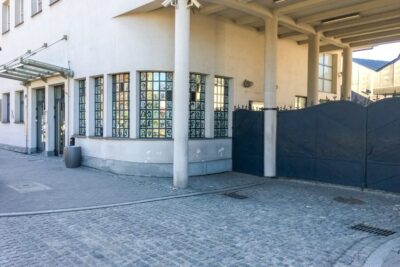
Schindler’s Factory Tour with Entrance Ticket
Read our review →
Schindler’s Factory Ticket with Guided Tour Option
Read our review →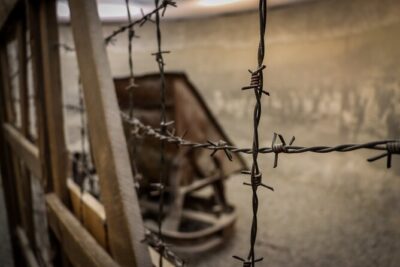
Krakow Schindler’s Factory Museum Guided Tour in English
Read our review →Browse the lists this tour appears in