
Reviewed · KRAKOW MUSEUM TOURS
Krakow: The Ethnographic Museum ticket
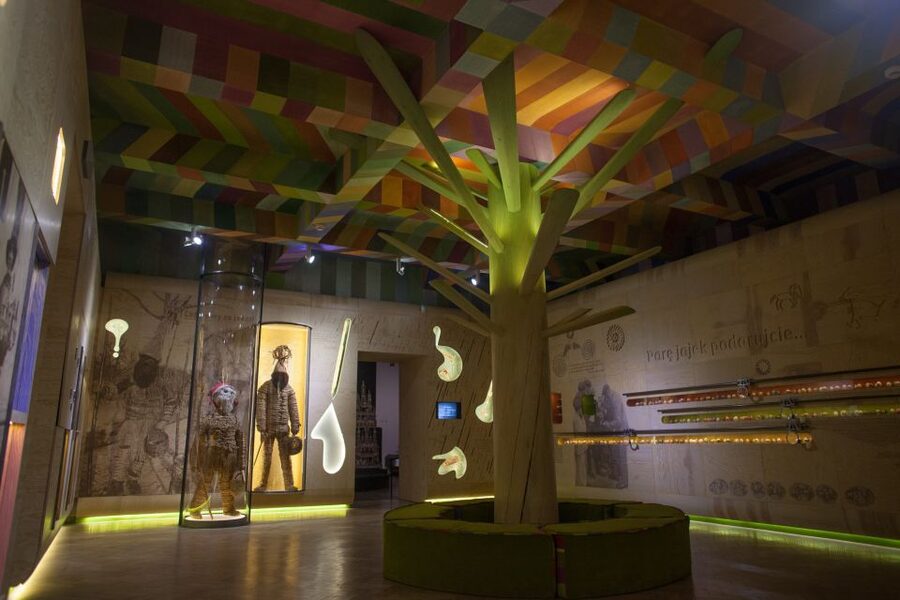
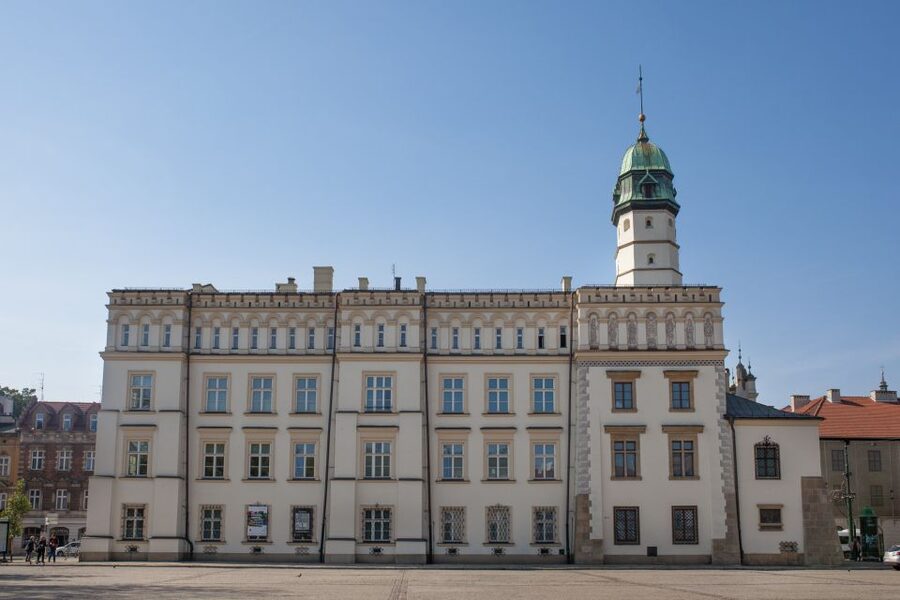
Krakow’s Ethnographic Museum offers a change of pace from the city’s better-known royal and religious sights. Here, Polish folk culture takes the lead, with collections spread between the Town Hall and Esterka’s House, where temporary displays occupy a vaulted cellar.
I like two things in particular: the chance to see how folklore caught the attention of Krakow’s artists around 1900, and the range of objects drawn from a collection of about 80,000 pieces. One consideration: your ticket includes entry, not a guide, so you’ll need to bring your own curiosity or read up beforehand.
- Two buildings, two kinds of visit: The Town Hall presents Polish folk culture, while Esterka’s House hosts changing displays.
- A collection rooted in Krakow: The museum began with objects gathered by teacher, collector, and amateur ethnographer Seweryn Udziela.
- A strong turn-of-the-century focus: Most of the collection dates from the late 19th and early 20th centuries.
- Art beyond objects: Look for paintings and sculptures alongside the museum’s folk-culture displays.
- A low-cost cultural stop: Entry is listed at about $4.81 per person, with food, drinks, and a guide not included.
Polish folk culture in Krakow’s Town Hall

The Town Hall section is the natural place to begin if you want a broad introduction to the museum’s subject. Its exhibition highlights Polish folk culture, offering a look at the forms, objects, and traditions that helped shape everyday life and creative work around the turn of the 20th century.
That focus gives the museum a different angle on Krakow. Instead of treating folk culture as a quaint side note, the displays show why it mattered to artists and intellectuals at a time when some felt Polish culture had grown stagnant. Folklore’s liveliness offered a fresh source of ideas and expression.
I’d take time to consider that exchange between rural culture and city artists. The museum is not only about preserving objects; it also points to the way those objects and traditions captured the imagination of people working in Krakow’s cultural circles. If you enjoy art history, that context can make the exhibits more rewarding than a quick look at individual pieces.
The collection is extensive, but you do not need to approach it as a checklist. Around 80,000 objects are held by the museum, with most dating from the late 19th and early 20th centuries. That scale helps explain why the museum can offer more than a handful of folk-art examples, though it also means you may want to choose a few themes that interest you rather than trying to absorb everything.
What the collection tells you about artists around 1900
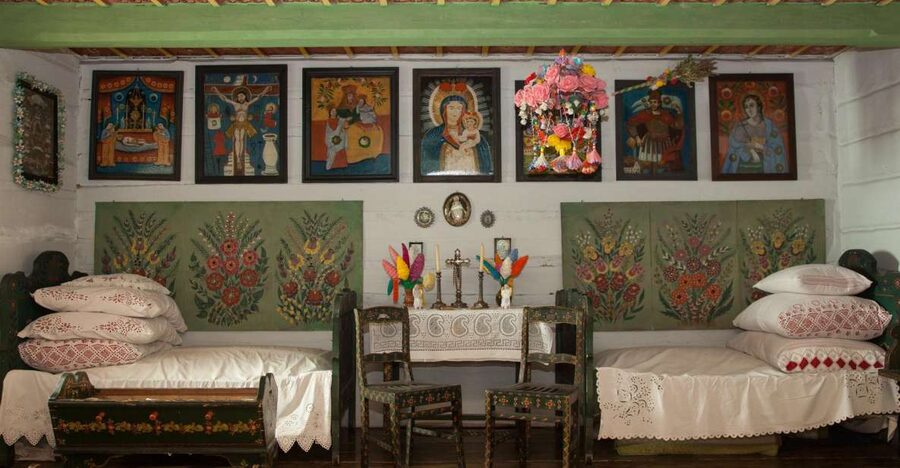
The museum’s story starts with Seweryn Udziela, a teacher, amateur ethnographer, and collector who established it in 1911. His small collection became the foundation for the holdings you see today. That origin gives the museum a personal thread: it began with one person’s interest in gathering and recording aspects of folk culture.
For visitors, the turn-of-the-century setting is especially useful. The exhibits help explain why Krakow’s artists were drawn to folklore, seeing it as a lively answer to what they regarded as a cultural crisis among the Polish intelligentsia. That does not mean every display will spell out the history in the same way, but the museum’s central theme gives you a lens for looking at the objects.
I would keep that question in mind as you move through the rooms: what might an artist from Krakow have found fresh or compelling here? It turns a museum visit into a look at cultural exchange, not just a parade of old things. You can pay attention to the craftsmanship and forms on display while also thinking about how folk traditions became a source of inspiration.
The museum’s collection includes more than folk objects. Paintings and sculptures appear in the displays, too, adding another dimension to the visit. If you tend to focus on visual art, leave room for those works rather than assuming the museum is limited to traditional craft. The art section has been a particular discovery for some visitors, and it may be a welcome shift in pace after viewing cultural objects across several floors.
More museum visits around Krakow:
- Auschwitz-Birkenau Museum and Memorial Guided Tour from Krakow
★ 4.5 · 1,510 reviews - Krakow: Rynek Underground Museum Guided Tour
★ 4.6 · 1,122 reviews - Krakow Schindler’s Factory Museum Guided Tour in English
★ 4.5 · 650 reviews
A second stop at Esterka’s House
The museum’s other building is known as Esterka’s House. Its role differs from the Town Hall section: it holds temporary displays, including exhibitions in a beautifully vaulted cellar. That changing program means the experience can vary according to what is on view during your visit.
The cellar itself gives this part of the museum a distinct setting. A vaulted space changes the feel of an exhibition, even before you consider its subject. Since the displays are temporary, it’s sensible to treat Esterka’s House as an added chapter rather than expecting a fixed set of exhibits every time you come.
If you are comparing the two buildings, think of the Town Hall as the place to start with the museum’s central presentation of Polish folk culture, then allow time for whatever is showing at Esterka’s House. The available information does not specify the current temporary exhibition, so check what is on display when you plan your visit if a particular theme matters to you.
The museum’s layout extends across several floors, so give yourself enough time to move through the displays without rushing. There is no fixed tour duration provided. The ticket is described as valid for one to two days, depending on the option available, so check the booking details for the dates and starting times offered. That flexibility may suit you if you prefer to take cultural visits at an unhurried pace.
Making the most of a self-guided visit

Your ticket covers entry only. A guide is not included, which keeps the cost low but leaves you in charge of setting the pace and making sense of the material. If you like browsing independently, that can be a good fit. If you prefer a guide to explain how objects connect to Polish history and artistic movements, plan to arrange that separately.
A little preparation can help. Before you go, decide whether you are most interested in folk art, the museum’s history, or the link between folklore and Krakow’s artists. Then use that interest to guide your attention. With a collection this large, a focused visit can be more satisfying than trying to see every object at equal length.
The displays are spread over several floors, so expect to walk between exhibition areas. The exact route and the mix of objects may vary, particularly in Esterka’s House, where temporary displays are held. Paintings and sculptures offer a useful change from the folk-culture material and are worth allowing time for if visual art is a priority for you.
Photography is allowed only without flash, according to the museum’s stated rules. Food and drinks are not included in the ticket. No meal or refreshment stop is part of the activity, so plan those separately if you want to pair the visit with a longer outing.
Is a ticket for about $4.81 good value?
At about $4.81 per person, this is an inexpensive way to add a cultural stop to a Krakow visit. The value depends less on the length of a guided itinerary, because there is no guide, and more on whether you enjoy museums that let you explore at your own speed. You are paying for access to a substantial collection and two different exhibition settings.
The low price also makes the museum a sensible choice if you want something beyond Krakow’s headline sights without committing a large part of your day or budget. Still, no exact visit duration is given, and the temporary displays at Esterka’s House can change. If you want a tightly planned visit built around a specific exhibition, check what is showing and confirm the available ticket option before booking.
The booking terms offer some flexibility: you can reserve now and pay later, and cancellation is available up to 24 hours in advance for a full refund. Check the option you select for its precise validity and starting-time details, since those can vary.
More tickets and passes around Krakow:
- Krakow to Auschwitz Birkenau Guided Tour with Transfer and Ticket
★ 5.0 · 8,197 reviews - Krakow: Wieliczka Salt Mine Fast-Track Ticket & Guided Tour
★ 4.5 · 5,872 reviews - Auschwitz Birkenau Guided Tour with Ticket Hotel Pickup Small Van
★ 5.0 · 4,769 reviews - From Krakow: Wieliczka Salt Mine Tour & Skip the Line Ticket
★ 4.4 · 3,925 reviews
Who will enjoy this museum most?
I’d recommend the Ethnographic Museum if you are curious about Polish folk culture, the creative circles of Krakow around 1900, or the ways traditional forms influenced artists. It is also a good choice if you want a quieter cultural outing and prefer to look around independently rather than follow a guided group.
Art-minded visitors should keep an eye out for the paintings and sculptures, not only the folk-culture displays. The collection’s size and multi-floor layout reward a patient visit, but may feel like too much if you have little interest in ethnography or want a brief, highly structured tour.
Families or groups with different interests may appreciate the range of material, though the ticket does not include a guide to tailor the visit. If your time is short, focus on the Town Hall exhibition and check whether the temporary show at Esterka’s House appeals to you. If you have more time, you can take a slower look across both buildings.
Should you book?
Book this ticket if you want an affordable, self-guided look at Polish folk culture and the artistic interests it sparked in Krakow around the turn of the 20th century. The Town Hall exhibition, Esterka’s House cellar displays, and collection of roughly 80,000 objects give the visit a clear identity beyond a general museum stop.
Skip it if you need a guide included, want a guaranteed topic for the temporary exhibition, or are looking for a quick attraction with a set visit length. For a modest price, though, it is a worthwhile cultural excursion if you are ready to explore at your own pace.
FAQ
What does the ticket include?
The ticket includes entry to the Ethnographic Museum. A guide, food, and drinks are not included.
How much does the ticket cost?
The listed price is about $4.81 per person. Check the available option when booking for the current price.
How long is the ticket valid?
The ticket is listed as valid for one to two days. Check the option you book for its specific validity and starting-time details.
What can I see at the Town Hall?
The Town Hall section features an exhibition highlighting Polish folk culture.
What is shown at Esterka’s House?
Esterka’s House contains temporary displays, including exhibitions in its vaulted cellar. The specific display may change.
When was the Ethnographic Museum created?
The museum was created in 1911 on the initiative of Seweryn Udziela, a teacher, amateur ethnographer, and collector.
Is flash photography allowed?
No. Flash photography is not allowed.
Newly listed around Krakow
- Private Krakow to or from Airport Transfer★ 5.0 · 17 reviews
- Private Airport Transfer from/to Krakow Balice Airport★ 5.0 · 124 reviews
- Private Full-Day Zakopane and Thermal Baths Tour from Krakow★ 5.0 · 27 reviews
- Krakow: Polish Aviation Museum – Skip the Line Ticket★ 4.5 · 13 reviews
- Private Guided Walking Tour in Krakow Wine Bars★ 5.0 · 16 reviews
- Polish Countryside and Tyniec Abbey Bike Tour from Krakow★ 5.0 · 37 reviews
- Pierogi Cooking Class: Mastering the Art of Polish Dumplings★ 5.0 · 129 reviews
- Krakow Jewish District and Ghetto Guided Tour in a Small Group★ 5.0 · 12 reviews
Krakow Museum Tours, compared.
Auschwitz-Birkenau Museum and Memorial Guided Tour from Krakow
Read our review →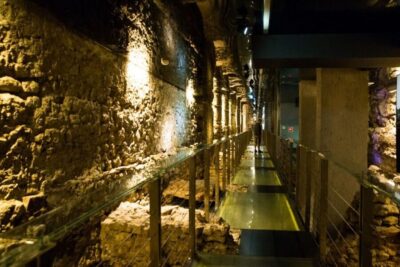
Krakow Schindler’s Factory Museum Guided Tour in English
Read our review →
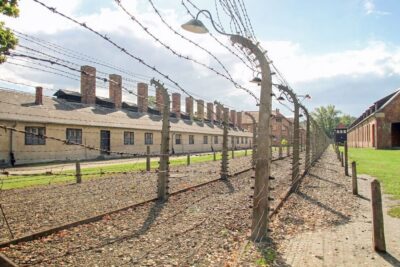
Auschwitz Birkenau Museum Guided Tour with Pickup
Read our review →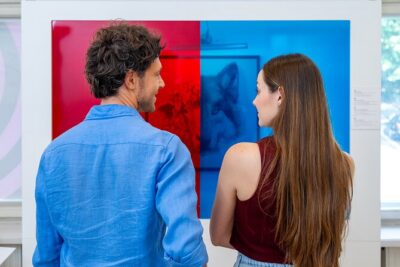
Auschwitz Birkenau Museum and Salt Mine All Inclusive DAY TRIP with Local Guides
Read our review →Browse the lists this tour appears in